
Introduction
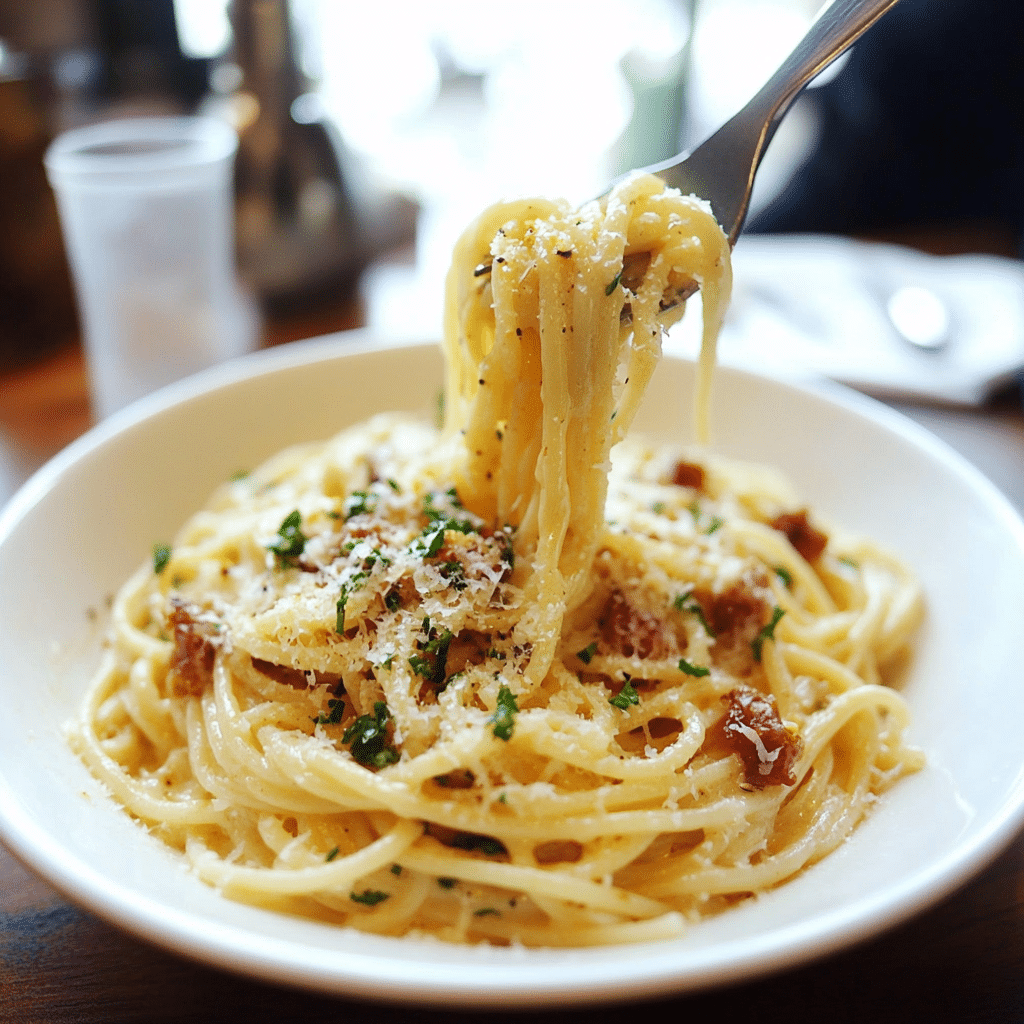
When it comes to Italian cuisine, few dishes are as universally adored as Spaghetti Carbonara. With its creamy texture, smoky pancetta, and savory Parmesan cheese, this classic pasta dish embodies the essence of Italian comfort food. Known for its rich flavors and simple ingredients, Spaghetti Carbonara is both indulgent and easy to make, making it a favorite for home cooks and professional chefs alike.
At its core, Spaghetti Carbonara is a combination of pasta, eggs, cheese, and cured pork. The result is a luscious, velvety sauce that coats the pasta perfectly, while the pancetta or guanciale provides a delightful crunch and smoky flavor. Unlike many creamy pasta dishes, Spaghetti Carbonara doesn’t rely on cream to achieve its silky sauce. Instead, it’s the eggs, Parmesan, and the heat of the pasta that create the creamy consistency, making it a unique and flavorful option for any occasion.
In this article, we’ll delve into the origins of Spaghetti Carbonara, explain why it’s a dish worth mastering, provide step-by-step instructions on how to make it, and share tips and variations to help you personalize this beloved recipe. Whether you’re new to Italian cooking or a seasoned chef, this guide will help you create a perfect Spaghetti Carbonara every time.
Why You’ll Love This Spaghetti Carbonara
Recipe
- Classic and Timeless: Spaghetti Carbonara is a quintessential Italian dish that never goes out of style. It’s a comforting favorite that’s perfect for any occasion.
- Rich and Creamy: The combination of eggs, cheese, and pancetta creates a rich, creamy sauce that beautifully coats the pasta.
- Quick and Easy: Despite its sophisticated taste, Spaghetti Carbonara is quick to prepare, making it an ideal meal for busy weeknights or weekend indulgences.
- Minimal Ingredients: The dish requires only a few basic ingredients, proving that simplicity often leads to the best results.
- Versatile: Spaghetti Carbonara can be easily customized with different types of pasta, cheese, or meat, allowing you to adapt it to your preferences.
Preparation Time and Servings
- Total Time: 30 minutes (10 minutes for prep, 20 minutes for cooking)
- Servings: This recipe serves 4, perfect for a family dinner or gathering with friends.
- Nutrition Facts (per serving): Calories: 650, Protein: 25g, Carbs: 60g, Fat: 35g.
Ingredients
For the Pasta:
- 12 oz (340g) spaghetti: The classic pasta for carbonara. However, you can also use other long pasta shapes like fettuccine, bucatini, or linguine.
For the Sauce:
- 4 large eggs: These will create the creamy base for the sauce. Make sure the eggs are at room temperature to help them mix evenly.
- 1 cup grated Parmesan cheese: Parmesan adds a sharp, nutty flavor that pairs perfectly with the creamy egg mixture.
- 1/2 cup grated Pecorino Romano cheese: Pecorino is a sheep’s milk cheese that brings a slightly tangier, saltier flavor to the dish, balancing the richness of the eggs and cheese.
- 1 teaspoon freshly cracked black pepper: The pepper adds a necessary bit of spice and depth to the flavor.
For the Meat:
- 4 oz (115g) pancetta or guanciale: Pancetta is an Italian cured pork belly, while guanciale is an Italian cured pork cheek or jowl. Guanciale is the traditional choice for carbonara, but pancetta works perfectly as a substitute.
- 1 tablespoon olive oil: Used to cook the pancetta or guanciale and add a little extra flavor.
INSTRUCTIONS
First Step: COOK THE PASTA
- Boil the Water: Bring a large pot of salted water to a boil. Use plenty of water—about 4-6 quarts—for the pasta to cook evenly. Add a generous pinch of salt to the water to enhance the flavor of the pasta.
- Cook the Pasta: Add the spaghetti to the boiling water and cook according to the package instructions for al dente pasta (usually 8-9 minutes). Stir occasionally to prevent the pasta from sticking together.
- Reserve Pasta Water: Before draining the pasta, reserve about 1 cup of pasta cooking water. This starchy water is essential for adjusting the sauce’s consistency later.
- Drain the Pasta: Once the pasta is done, drain it in a colander, but make sure to keep that cup of pasta water aside for the sauce.
Second Step: PREPARE THE MEAT FOR THE Spaghetti Carbonara
- Cook the Pancetta/Guanciale: While the pasta cooks, heat the olive oil in a large skillet over medium heat. Add the pancetta or guanciale and cook for 5-7 minutes, stirring occasionally, until the meat is crispy and golden brown. The fat will render out, adding flavor to the dish.
- Set Aside: Once the meat is crispy, remove the pan from the heat and set it aside. Be sure to leave the rendered fat in the pan as it will be used in the sauce.
Third Step: MAKE THE SAUCE
- Whisk the Eggs and Cheese: In a mixing bowl, crack the eggs and whisk them until the yolks and whites are fully combined. Add the grated Parmesan and Pecorino Romano cheeses, along with the freshly cracked black pepper. Whisk the mixture until smooth, making sure the cheese is well incorporated. The goal is to create a thick, creamy sauce that will coat the pasta.
- Adjust Consistency: If the sauce seems too thick, you can add a small splash of the reserved pasta cooking water to loosen it up. Start with a tablespoon or two and continue to whisk until you reach the desired consistency.
Fourth Step: COMBINE THE PASTA, MEAT, AND SAUCE
- Toss Pasta with Meat: Once the pasta is drained, immediately add it to the skillet with the crispy pancetta or guanciale. Toss the pasta to coat it in the rendered fat from the meat. The residual heat from the pasta and the pan will help meld the flavors together.
- Add the Egg Mixture: Slowly pour the egg and cheese mixture over the pasta, tossing vigorously to combine. Be sure to do this off the heat to prevent the eggs from scrambling. The heat of the pasta will gently cook the eggs, creating a smooth, creamy sauce.
- Adjust the Sauce: If the sauce is too thick, add a little more reserved pasta water, a tablespoon at a time, until you reach the desired consistency. The sauce should be smooth, creamy, and cling to the pasta.
Final Step: SERVE AND ENJOY this Spaghetti Carbonara
- Plate the Carbonara: Once the pasta is coated in the creamy sauce, divide it into serving bowls.
- Garnish: Top the Spaghetti Carbonara with additional grated Parmesan and Pecorino Romano cheese, if desired. For an extra kick, add more freshly cracked black pepper on top.
- Serve Immediately: Spaghetti Carbonara is best served immediately while it’s still warm and creamy.

How to Serve Spaghetti Carbonara
Spaghetti Carbonara is a rich and satisfying dish, perfect on its own, but here are a few ideas to elevate your meal:
1. Pair with a Fresh Salad
To balance the richness of the carbonara, serve it with a simple green salad. A mix of arugula, spinach, and fresh tomatoes dressed with olive oil, balsamic vinegar, and a touch of salt provides a refreshing contrast to the creamy pasta.
2. Serve the Spaghetti Carbonara with Garlic Bread
If you’re craving more carbs, serve Spaghetti Carbonara with a side of garlic bread. The buttery, garlicky bread is perfect for dipping into the sauce, adding an extra layer of indulgence to your meal.
Recipe Variations for Spaghetti Carbonara
While Spaghetti Carbonara is fantastic as written, there are a few ways to customize it according to your tastes:
1. Use Different Pasta Shapes
Although spaghetti is the classic choice, you can experiment with other pasta shapes. Bucatini, fettuccine, or linguine all work wonderfully for carbonara.
2. Swap the Meat
Traditional carbonara uses guanciale, but pancetta is often used as a substitute, especially outside Italy. You can also try using bacon if you prefer a smoky flavor.
3. Add Vegetables on your Spaghetti Carbonara
For a twist, try adding sautéed vegetables like peas, spinach, or mushrooms to the pasta. This adds a pop of color and a bit of extra nutrition while maintaining the dish’s richness.
4. Make it Lighter
For a lighter version, you can use egg whites instead of whole eggs to reduce the fat content. Additionally, you can use a lighter cheese or reduce the amount of cheese used in the sauce.
Tips for Perfect Spaghetti Carbonara
- Don’t Overcook the Pasta: For the best texture, cook the pasta just until al dente. Overcooking it can lead to a mushy texture that doesn’t hold the sauce as well.
- Use Fresh Eggs: Fresh eggs are crucial for creating a silky smooth sauce. If possible, use farm-fresh eggs for the best results.
- Work Quickly: Carbonara needs to be served immediately, so work quickly once the pasta is cooked. Tossing the egg mixture with the hot pasta creates the creamy sauce without the eggs scrambling.
- Don’t Skip the Reserved Pasta Water: The starchy pasta water is key to creating the perfect consistency for the sauce. Be sure to reserve enough before draining the pasta.
Conclusion for Spaghetti Carbonara
Spaghetti Carbonara is a timeless Italian classic that combines simple ingredients with incredible flavor. The creamy egg-based sauce, smoky pancetta, and sharp cheeses come together to create a dish that’s rich, satisfying, and utterly delicious. Whether you’re cooking for a weeknight dinner or a special gathering, this pasta dish is sure to impress with its combination of flavors and ease of preparation.
By following the steps in this guide, you’ll be able to make the perfect Spaghetti Carbonara every time. Experiment with different ingredients, customize the recipe to suit your tastes, and enjoy this beloved Italian dish in the comfort of your own home. Buon appetito!