
Introduction
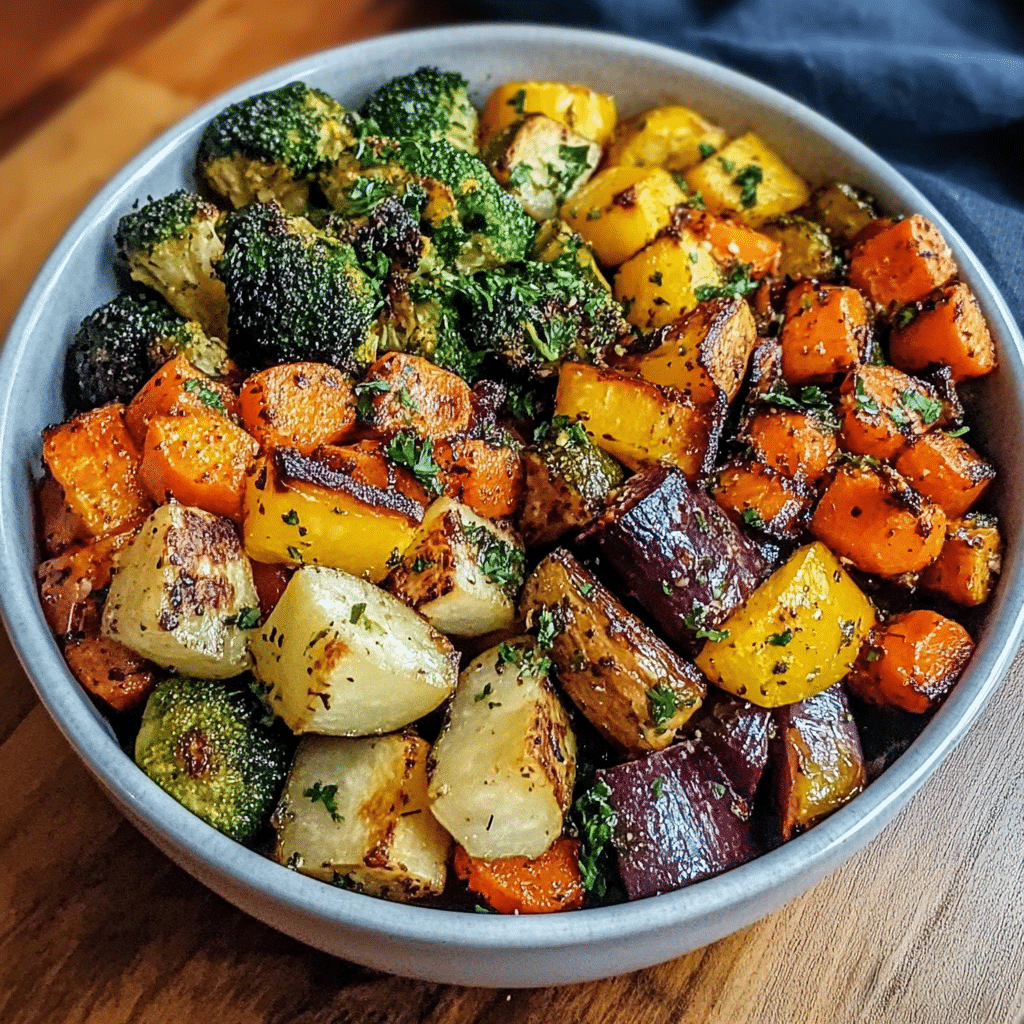
Roasted vegetable bowls are a fantastic way to enjoy the natural flavors of your favorite vegetables, while also getting a balanced, nutritious meal. This simple and versatile dish can be adapted to suit various tastes, dietary preferences, and seasonal produce. Whether you’re following a plant-based, gluten-free, or halal-friendly diet, Roasted Vegetable Bowls are a perfect choice.
Roasting vegetables enhances their natural sweetness and depth of flavor, transforming them into tender, caramelized pieces with crispy edges. Combined with grains, protein-rich toppings, and a flavorful dressing, roasted vegetable bowls provide a satisfying and wholesome meal. You can even make them in advance, so they are ideal for meal prepping.
This article will guide you through the process of creating your own Roasted Vegetable Bowl from scratch, with helpful tips on ingredient selection, seasoning, and customization. We’ll also explore how to make it halal-friendly and discuss ways to store and reheat your vegetable bowls.
Perfect for:
- Lunch or dinner
- Meal prepping
- Plant-based, gluten-free, or halal-friendly options
- A versatile, healthy meal
- A satisfying option for picky eaters
Why You’ll Love This Roasted Vegetable Bowl Recipe
Here’s why Roasted Vegetable Bowls are a go-to meal for many:
- Customizable: You can use any vegetables, grains, and protein sources you prefer, which makes this bowl adaptable to your taste and dietary restrictions.
- Quick and Easy: Roasting vegetables is a simple process, and once they’re done, all that’s left is assembling the bowl. It’s a low-maintenance meal that delivers big on flavor.
- Nutritious: Roasted vegetables provide vitamins, minerals, and fiber, making this bowl a nutritious choice. The grains and protein add further value to the meal, creating a balanced and satisfying dish.
- Perfect for Meal Prep: These bowls can be made ahead of time and stored in the fridge for several days, making them an excellent choice for meal prepping and busy weeks.
- Halal-Friendly: This recipe is entirely customizable and can be made halal by choosing protein options like grilled chicken, chickpeas, or halal meat and ensuring no alcohol is used in the preparation.
Preparation and Cooking Time
- Total Time: 1 hour
- Preparation Time: 15 minutes
- Cooking Time: 45 minutes
- Servings: 4 servings
- Calories per Serving: Approximately 400-500 calories (depending on protein and grains used)
- Key Nutrients: Protein: 15g, Carbs: 40g, Fat: 20g
Ingredients for Roasted Vegetable Bowls
Vegetables:
- 2 medium sweet potatoes, peeled and cubed
- 1 medium zucchini, sliced into half moons
- 1 bell pepper (red, yellow, or orange), chopped
- 1 cup cherry tomatoes, halved
- 1 small red onion, sliced
- 1 cup broccoli florets
- 2 tablespoons olive oil
- Salt and pepper, to taste
- 1 teaspoon smoked paprika (optional for added flavor)
- 1 teaspoon garlic powder
- 1 teaspoon dried thyme (or any herb of your choice)
Grain Base:
- 1 cup cooked quinoa (or brown rice, couscous, farro, or your preferred grain)
Protein:
- 1 cup cooked chickpeas (or your choice of protein like grilled chicken, tofu, or falafel)
Dressing (optional, but recommended):
- ¼ cup tahini
- 2 tablespoons lemon juice
- 1 tablespoon olive oil
- 1 teaspoon maple syrup or honey (optional)
- Salt and pepper to taste
- Water (to thin out the dressing as needed)
Garnishes (optional):
- Fresh parsley, chopped
- Avocado, sliced
- Crumbled feta cheese or vegan cheese (optional)
- Seeds or nuts (like pumpkin seeds or almonds)
Ingredient Highlights
- Vegetables: Roasting vegetables brings out their natural sweetness and depth of flavor. Sweet potatoes, bell peppers, zucchini, and broccoli are just a few of the vegetables that work beautifully in this dish, but feel free to experiment with your favorites.
- Grains: Grains like quinoa, brown rice, or farro provide a hearty base for the bowl, offering fiber and essential nutrients. Quinoa, in particular, is high in protein, making it an excellent choice for plant-based bowls.
- Protein: Chickpeas are an excellent plant-based protein source that adds texture and heartiness to the bowl. You can also use grilled chicken, tofu, or falafel for added variety.
- Dressing: The creamy tahini dressing ties the bowl together, providing a tangy yet nutty flavor that complements the roasted vegetables and other ingredients.
Step-by-Step Instructions for Roasted Vegetable Bowls
Here’s how to make the perfect Roasted Vegetable Bowl from scratch:
First Step: Prepare the Vegetables
- Preheat the Oven: Preheat your oven to 400°F (200°C). Line a large baking sheet with parchment paper for easy cleanup.
- Chop and Season Vegetables: Wash, peel, and chop the vegetables as needed. For example, cube the sweet potatoes, slice the zucchini, and chop the bell pepper and onion. Place all of the chopped vegetables on the baking sheet.
- Season: Drizzle 2 tablespoons of olive oil over the vegetables. Season with salt, pepper, smoked paprika, garlic powder, and dried thyme (or herbs of your choice). Toss the vegetables well to coat them evenly with the oil and seasonings.
Second Step: Roast the Vegetables
- Roast the Vegetables: Place the baking sheet in the preheated oven and roast the vegetables for about 35-40 minutes, or until they are tender and slightly caramelized, stirring halfway through to ensure even cooking.
- Check for Doneness: Once the vegetables are golden brown and tender, remove them from the oven and set them aside.
Third Step: Cook the Grain Base
- Cook the Quinoa (or Grains of Choice): While the vegetables are roasting, prepare the grain base of your choice. If you’re using quinoa, rinse it thoroughly under cold water, then cook it according to package instructions. Typically, quinoa is cooked in a 1:2 ratio of quinoa to water. Bring to a boil, then reduce to a simmer for about 15 minutes until the water is absorbed. Fluff the quinoa with a fork once it’s cooked.
Fourth Step: Cook the Protein
- Prepare the Protein: If you’re using canned chickpeas, drain and rinse them. For extra flavor, roast them with a bit of olive oil, salt, and pepper, or toss them in a bit of cumin, paprika, or garlic powder before roasting them in the oven for 10-15 minutes. Alternatively, you can cook your preferred protein source, whether it’s grilling chicken, sautéing tofu, or preparing falafel.
- Set Aside Protein: Once your protein is cooked, set it aside to cool slightly before adding it to the bowls.
Fifth Step: Make the Dressing
- Make the Tahini Dressing: In a small bowl, combine the tahini, lemon juice, olive oil, maple syrup (if using), salt, and pepper. Whisk until smooth. Add water a tablespoon at a time to thin the dressing to your desired consistency.
Sixth Step: Assemble the Bowls
- Assemble the Bowls: Start by placing a scoop of quinoa (or your chosen grain) at the bottom of each bowl. Top with the roasted vegetables, chickpeas (or protein of your choice), and any additional toppings like avocado slices or crumbled feta cheese. Drizzle the tahini dressing over the top, and finish with a sprinkle of fresh parsley and seeds or nuts if desired.
Seventh Step: Serve and Enjoy
- Serve: Your Roasted Vegetable Bowls are now ready to be enjoyed! Serve them immediately while they’re warm, or store them for meal prep.
How to Serve Roasted Vegetable Bowls
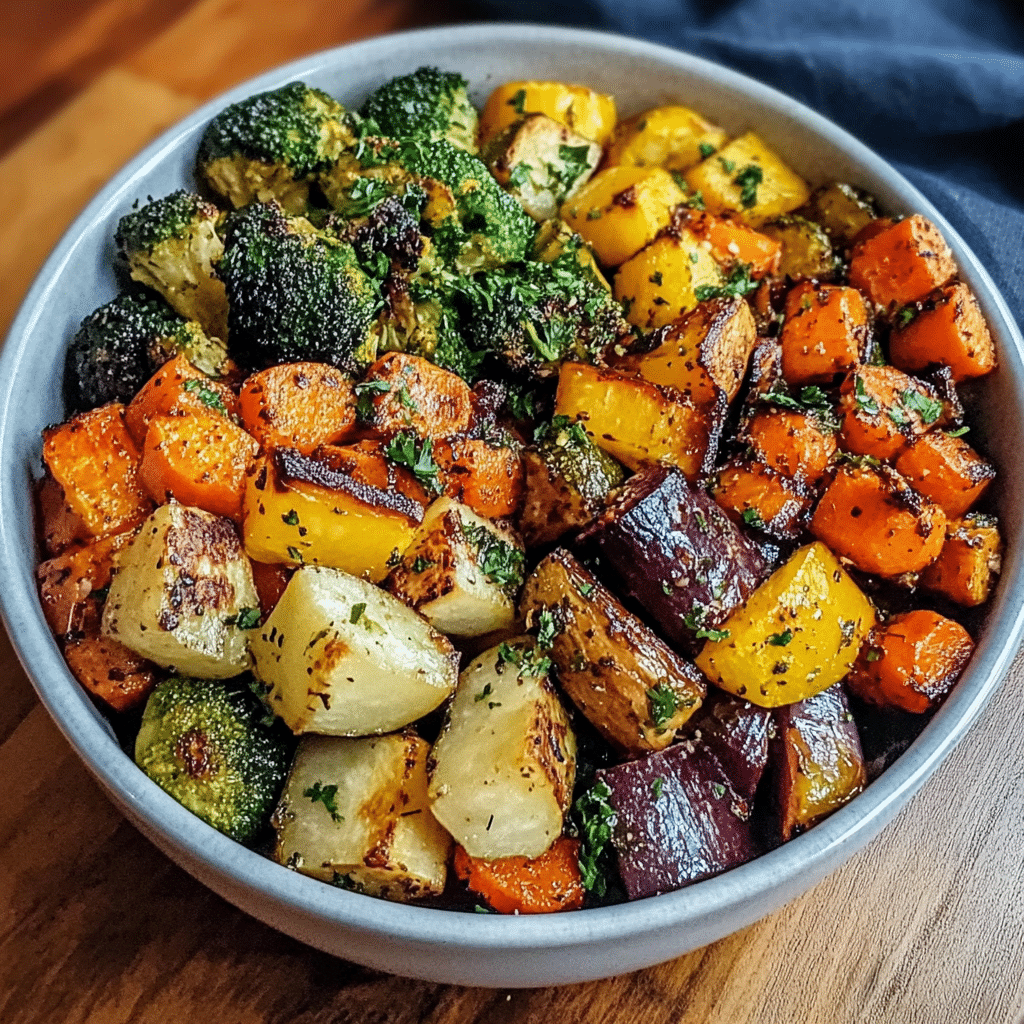
Roasted Vegetable Bowls can be served in a variety of ways:
- As a Main Dish: This dish can stand alone as a wholesome, filling meal. The combination of roasted vegetables, grains, and protein makes it a complete meal.
- With a Side Salad: Pair your vegetable bowls with a light side salad for added freshness. A simple green salad with a lemon vinaigrette would work wonderfully.
- For Meal Prep: These bowls are perfect for meal prepping. Simply prepare the ingredients, store them in separate containers, and assemble the bowls throughout the week.
- With a Tangy Sauce: In addition to tahini dressing, try adding a dollop of yogurt-based sauce or a spicy sriracha drizzle for extra flavor.
Additional Tips for Roasted Vegetable Bowls
Here are some tips to make your Roasted Vegetable Bowls even better:
- Season Vegetables Generously: Don’t be shy with the seasonings—roasted vegetables are more flavorful when they are well-seasoned.
- Use a Variety of Vegetables: Feel free to experiment with different vegetables like eggplant, cauliflower, or carrots to add variety.
- Roast in Batches: If you have a lot of vegetables, consider roasting them in batches to ensure they cook evenly without overcrowding the baking sheet.
- Adjust to Taste: Tailor the protein and grains to your dietary preferences. You can use grilled shrimp, tempeh, or even roasted turkey breast if you’re not following a plant-based diet.
- Add Crunch: For added texture, sprinkle your bowls with crunchy toppings like roasted seeds, nuts, or crispy chickpeas.
Recipe Variations for Roasted Vegetable Bowls
Here are a few variations of Roasted Vegetable Bowls that you can try:
- Mediterranean Roasted Vegetable Bowl: Add Mediterranean-inspired ingredients like hummus, Kalamata olives, feta cheese, and a lemon-oregano dressing.
- Mexican Roasted Vegetable Bowl: Use corn, black beans, roasted bell peppers, and zucchini. Top with avocado, cilantro, and a drizzle of lime crema.
- Asian-Inspired Roasted Vegetable Bowl: Add roasted sweet potatoes, bok choy, and mushrooms. Drizzle with soy sauce or tahini and sprinkle with sesame seeds for an Asian flair.
- Spicy Roasted Vegetable Bowl: Add chili powder or chipotle seasoning to the vegetables before roasting, and serve with a side of spicy sriracha sauce.
- BBQ Roasted Vegetable Bowl: Use barbecue sauce to marinate the vegetables before roasting, and pair with grilled chicken or tempeh for a smoky, savory bowl.
Freezing and Storage for Roasted Vegetable Bowls
- Freezing: You can freeze the roasted vegetables and grains separately for up to 3 months. However, it’s best to freeze the dressing and protein components separately to maintain their freshness. To reheat, simply microwave or bake the vegetables until heated through.
- Storage: Roasted vegetable bowls can be stored in airtight containers in the fridge for up to 4 days. When storing the bowls, keep the dressing separate to prevent the vegetables from becoming soggy.
Special Equipment for Roasted Vegetable Bowls
Here are a few kitchen tools that will make preparing Roasted Vegetable Bowls easier:
- Baking Sheet: A large baking sheet is essential for roasting the vegetables evenly.
- Mixing Bowls: Use mixing bowls to toss the vegetables in oil and seasonings before roasting.
- Grain Cooker or Pot: A rice cooker or pot is helpful for cooking quinoa or other grains.
- Small Bowl for Dressing: A small whisking bowl is perfect for making the tahini dressing.
FAQ Section for Roasted Vegetable Bowls
- Can I use frozen vegetables for this recipe? While fresh vegetables yield the best texture, frozen vegetables can be used in a pinch. However, they might release more moisture during roasting.
- How can I make this recipe vegan? This recipe is already plant-based, but you can ensure it’s fully vegan by using a dairy-free dressing (like tahini) and opting for vegan cheese, if desired.
- What’s the best grain for the base? Quinoa is a great choice as it’s high in protein, but you can also use brown rice, couscous, farro, or even cauliflower rice for a low-carb option.
- Can I add a protein other than chickpeas? Yes, you can use grilled chicken, falafel, roasted tofu, or tempeh for additional protein options.
- Can I prepare the vegetables ahead of time? Yes, you can chop and season the vegetables a day ahead, then store them in the fridge before roasting them on the day you want to serve the bowls.
Roasted Vegetable Bowls
- Total Time: 1 hour
Ingredients
Vegetables:
- 2 medium sweet potatoes, peeled and cubed
- 1 medium zucchini, sliced into half moons
- 1 bell pepper (red, yellow, or orange), chopped
- 1 cup cherry tomatoes, halved
- 1 small red onion, sliced
- 1 cup broccoli florets
- 2 tablespoons olive oil
- Salt and pepper, to taste
- 1 teaspoon smoked paprika (optional for added flavor)
- 1 teaspoon garlic powder
- 1 teaspoon dried thyme (or any herb of your choice)
Grain Base:
- 1 cup cooked quinoa (or brown rice, couscous, farro, or your preferred grain)
Protein:
- 1 cup cooked chickpeas (or your choice of protein like grilled chicken, tofu, or falafel)
Dressing (optional, but recommended):
- ¼ cup tahini
- 2 tablespoons lemon juice
- 1 tablespoon olive oil
- 1 teaspoon maple syrup or honey (optional)
- Salt and pepper to taste
- Water (to thin out the dressing as needed)
Garnishes (optional):
- Fresh parsley, chopped
- Avocado, sliced
- Crumbled feta cheese or vegan cheese (optional)
- Seeds or nuts (like pumpkin seeds or almonds)
Ingredient Highlights
- Vegetables: Roasting vegetables brings out their natural sweetness and depth of flavor. Sweet potatoes, bell peppers, zucchini, and broccoli are just a few of the vegetables that work beautifully in this dish, but feel free to experiment with your favorites.
- Grains: Grains like quinoa, brown rice, or farro provide a hearty base for the bowl, offering fiber and essential nutrients. Quinoa, in particular, is high in protein, making it an excellent choice for plant-based bowls.
- Protein: Chickpeas are an excellent plant-based protein source that adds texture and heartiness to the bowl. You can also use grilled chicken, tofu, or falafel for added variety.
- Dressing: The creamy tahini dressing ties the bowl together, providing a tangy yet nutty flavor that complements the roasted vegetables and other ingredients.
Instructions
Step 1: Prepare the Vegetables
- Preheat the Oven: Preheat your oven to 400°F (200°C). Line a large baking sheet with parchment paper for easy cleanup.
- Chop and Season Vegetables: Wash, peel, and chop the vegetables as needed. For example, cube the sweet potatoes, slice the zucchini, and chop the bell pepper and onion. Place all of the chopped vegetables on the baking sheet.
- Season: Drizzle 2 tablespoons of olive oil over the vegetables. Season with salt, pepper, smoked paprika, garlic powder, and dried thyme (or herbs of your choice). Toss the vegetables well to coat them evenly with the oil and seasonings.
Step 2: Roast the Vegetables
- Roast the Vegetables: Place the baking sheet in the preheated oven and roast the vegetables for about 35-40 minutes, or until they are tender and slightly caramelized, stirring halfway through to ensure even cooking.
- Check for Doneness: Once the vegetables are golden brown and tender, remove them from the oven and set them aside.
Step 3: Cook the Grain Base
- Cook the Quinoa (or Grains of Choice): While the vegetables are roasting, prepare the grain base of your choice. If you’re using quinoa, rinse it thoroughly under cold water, then cook it according to package instructions. Typically, quinoa is cooked in a 1:2 ratio of quinoa to water. Bring to a boil, then reduce to a simmer for about 15 minutes until the water is absorbed. Fluff the quinoa with a fork once it’s cooked.
Step 4: Cook the Protein
- Prepare the Protein: If you’re using canned chickpeas, drain and rinse them. For extra flavor, roast them with a bit of olive oil, salt, and pepper, or toss them in a bit of cumin, paprika, or garlic powder before roasting them in the oven for 10-15 minutes. Alternatively, you can cook your preferred protein source, whether it’s grilling chicken, sautéing tofu, or preparing falafel.
- Set Aside Protein: Once your protein is cooked, set it aside to cool slightly before adding it to the bowls.
Step 5: Make the Dressing
- Make the Tahini Dressing: In a small bowl, combine the tahini, lemon juice, olive oil, maple syrup (if using), salt, and pepper. Whisk until smooth. Add water a tablespoon at a time to thin the dressing to your desired consistency.
Step 6: Assemble the Bowls
- Assemble the Bowls: Start by placing a scoop of quinoa (or your chosen grain) at the bottom of each bowl. Top with the roasted vegetables, chickpeas (or protein of your choice), and any additional toppings like avocado slices or crumbled feta cheese. Drizzle the tahini dressing over the top, and finish with a sprinkle of fresh parsley and seeds or nuts if desired.
Step 7: Serve and Enjoy
- Serve: Your Roasted Vegetable Bowls are now ready to be enjoyed! Serve them immediately while they’re warm, or store them for meal prep.
- Prep Time: 15 minutes
- Cook Time: 45 minutes
Nutrition
- Serving Size: 4
- Calories: 400-500
- Fat: 20g
- Carbohydrates: 40g
- Protein: 15g
Conclusion for Roasted Vegetable Bowls
Roasted Vegetable Bowls are an easy, nutritious, and customizable meal that fits perfectly into a variety of diets, including halal-friendly, gluten-free, and plant-based options. By roasting your vegetables, you elevate their flavors, creating a comforting and satisfying base for any bowl. Pair them with grains, protein, and a delicious dressing, and you’ve got a meal that’s both delicious and filling.
Whether you’re meal prepping for the week, feeding a family, or looking for a quick and healthy dinner, Roasted Vegetable Bowls are the answer. They’re as simple as they are versatile, and with endless options for customization, they’re sure to become a favorite in your recipe collection.