
Introduction
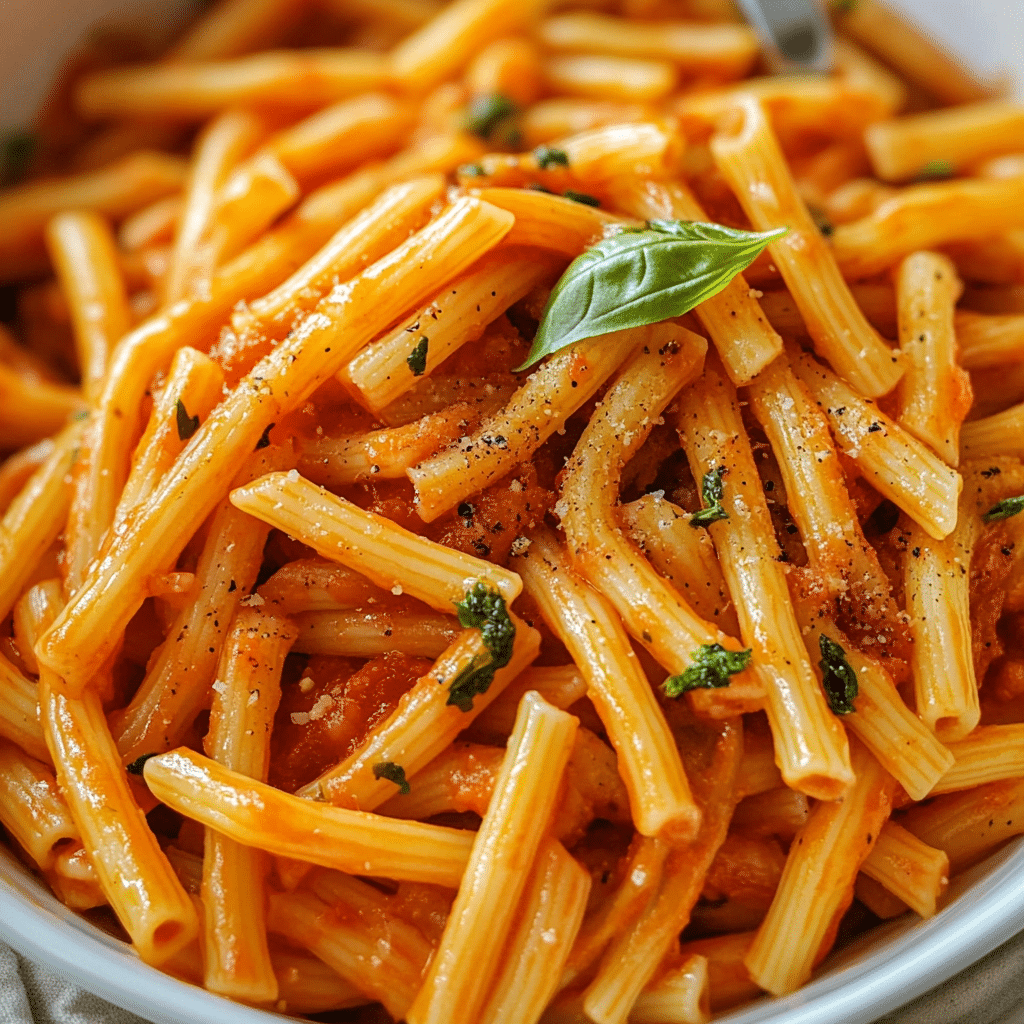
Pomodoro Sauce Pasta is a timeless Italian classic that showcases the vibrant flavors of fresh tomatoes, garlic, and olive oil. Known for its simplicity and elegance, this dish features a rich, smooth tomato sauce paired with perfectly cooked pasta. The beauty of Pomodoro Sauce lies in its uncomplicated preparation — a few high-quality ingredients that come together to create a sauce bursting with flavor. Whether you’re enjoying a casual weeknight dinner or hosting friends for a cozy gathering, Pomodoro Sauce Pasta is the ultimate comfort food. It’s a dish that’s light yet satisfying, fresh yet comforting, making it a must-try for any pasta lover.
Perfect for:
- Weeknight dinners
- Quick and easy meal prep
- Summer nights with fresh tomatoes
- Hosting casual dinner parties
- Vegetarian and vegan diets
Why You’ll Love This Pomodoro Sauce Pasta Recipe
Here’s why Pomodoro Sauce Pasta will quickly become your favorite go-to recipe:
- Fresh, Simple Ingredients: With just a handful of ingredients — tomatoes, garlic, olive oil, and basil — you can create a fresh and flavorful sauce that highlights the natural taste of tomatoes.
- Quick and Easy: Ready in under 30 minutes, this recipe is perfect for busy nights when you want a comforting, delicious meal without spending hours in the kitchen.
- Perfectly Balanced: The sauce is both tangy and sweet, with the natural sweetness of tomatoes balanced by the savory garlic and fresh basil. It’s a flavor combination that never goes out of style.
- Customizable: Feel free to add your favorite extras such as parmesan cheese, red pepper flakes for heat, or even a handful of olives for added depth.
- Light Yet Satisfying: The simplicity of this dish makes it a great option for those who want something satisfying but not overly heavy. It’s filling without being greasy or overwhelming.
Preparation and Cooking Time for Pomodoro Sauce Pasta
- Total Time: 30 minutes
- Preparation Time: 10 minutes
- Cooking Time: 20 minutes
- Servings: 4 servings
- Calories per Serving: Approximately 400-450 calories (depending on pasta and portion size)
- Key Nutrients: Protein: 10g, Carbs: 70g, Fat: 15g
Ingredients for Pomodoro Sauce Pasta
Here’s everything you’ll need to create this delicious and light Pomodoro Sauce Pasta:
- For the Pomodoro Sauce:
- 2 tablespoons extra virgin olive oil
- 4 cloves garlic, minced
- 2 pounds (900g) fresh ripe tomatoes (Roma or plum tomatoes work best), chopped, or 2 cans (14.5 oz each) of whole peeled tomatoes
- 1/2 teaspoon salt
- 1/4 teaspoon freshly cracked black pepper
- 1 teaspoon sugar (optional, to balance acidity)
- 1/2 teaspoon dried oregano (optional)
- 1/4 cup fresh basil leaves, torn or chopped
- 1 tablespoon balsamic vinegar (optional, for extra depth)
- For the Pasta:
- 1 pound (450g) pasta (spaghetti, penne, or fettuccine works well)
- Salt (for boiling pasta water)
- Freshly grated Parmesan cheese (optional, for topping)
Ingredient Highlights
- Fresh Tomatoes: Fresh tomatoes are the star of this dish. Their natural sweetness and acidity create the perfect base for the Pomodoro Sauce. If fresh tomatoes are unavailable, you can substitute with canned tomatoes, but nothing beats the fresh taste of ripe tomatoes in this dish.
- Olive Oil: A good-quality extra virgin olive oil is essential for both sautéing the garlic and adding richness to the sauce. It enhances the flavors without overpowering them.
- Garlic: Garlic adds depth and aroma to the sauce. It’s essential for creating a well-balanced flavor profile.
- Basil: Fresh basil brings a burst of freshness and fragrance to the sauce, making it feel light and refreshing.
- Pasta: The choice of pasta can really impact the final dish. Spaghetti is a classic choice, but you can use other types like penne, rigatoni, or fettuccine. The key is to use a pasta shape that will hold the sauce well.
Step-by-Step Instructions for Pomodoro Sauce Pasta
Follow these simple steps to make the perfect Pomodoro Sauce Pasta:
Prepare the Pomodoro Sauce:
- Cook the Garlic: Heat the olive oil in a large pan or skillet over medium heat. Once the oil is hot, add the minced garlic and sauté for about 1-2 minutes until fragrant. Be careful not to let the garlic brown, as it can become bitter.
- Add the Tomatoes: Add the chopped fresh tomatoes (or canned tomatoes, if using) to the pan with the garlic. Stir to combine. If using fresh tomatoes, you may need to break them down with a spoon or spatula to create a saucy consistency. If using canned tomatoes, crush them gently with a spoon to help them break apart.
- Season the Sauce: Add the salt, pepper, and sugar (if using) to the tomato mixture. The sugar helps to balance the acidity of the tomatoes. If you like, you can also add some dried oregano for extra flavor. Stir to combine all the ingredients.
- Simmer the Sauce: Let the sauce simmer over medium-low heat for about 15-20 minutes, stirring occasionally. The sauce will reduce slightly and thicken. If you prefer a smoother sauce, you can use an immersion blender or regular blender to purée the mixture until smooth.
- Finish the Sauce: Just before the sauce is done, stir in the fresh basil leaves and balsamic vinegar (if using). The basil will infuse the sauce with its aromatic fragrance, and the vinegar will add a nice depth of flavor. Let the sauce cook for an additional 2-3 minutes.
Cook the Pasta:
- Boil the Pasta: While the sauce is simmering, bring a large pot of salted water to a boil. Once the water is boiling, add the pasta and cook according to the package instructions, usually around 8-10 minutes, or until al dente.
- Drain the Pasta: Once the pasta is cooked, reserve about 1/2 cup of pasta water, then drain the pasta in a colander. Set aside.
Combine the Pasta and Sauce:
- Toss the Pasta in the Sauce: Add the drained pasta to the pan with the Pomodoro Sauce. Toss the pasta in the sauce, adding a little reserved pasta water if needed to help the sauce adhere to the pasta. Let the pasta and sauce cook together for 1-2 minutes, allowing the pasta to absorb the flavors of the sauce.
- Serve the Pomodoro Pasta: Divide the Pomodoro Sauce Pasta among individual plates or bowls. Top with freshly grated Parmesan cheese, if desired, and garnish with extra basil leaves for a fresh touch.
How to Serve Pomodoro Sauce Pasta
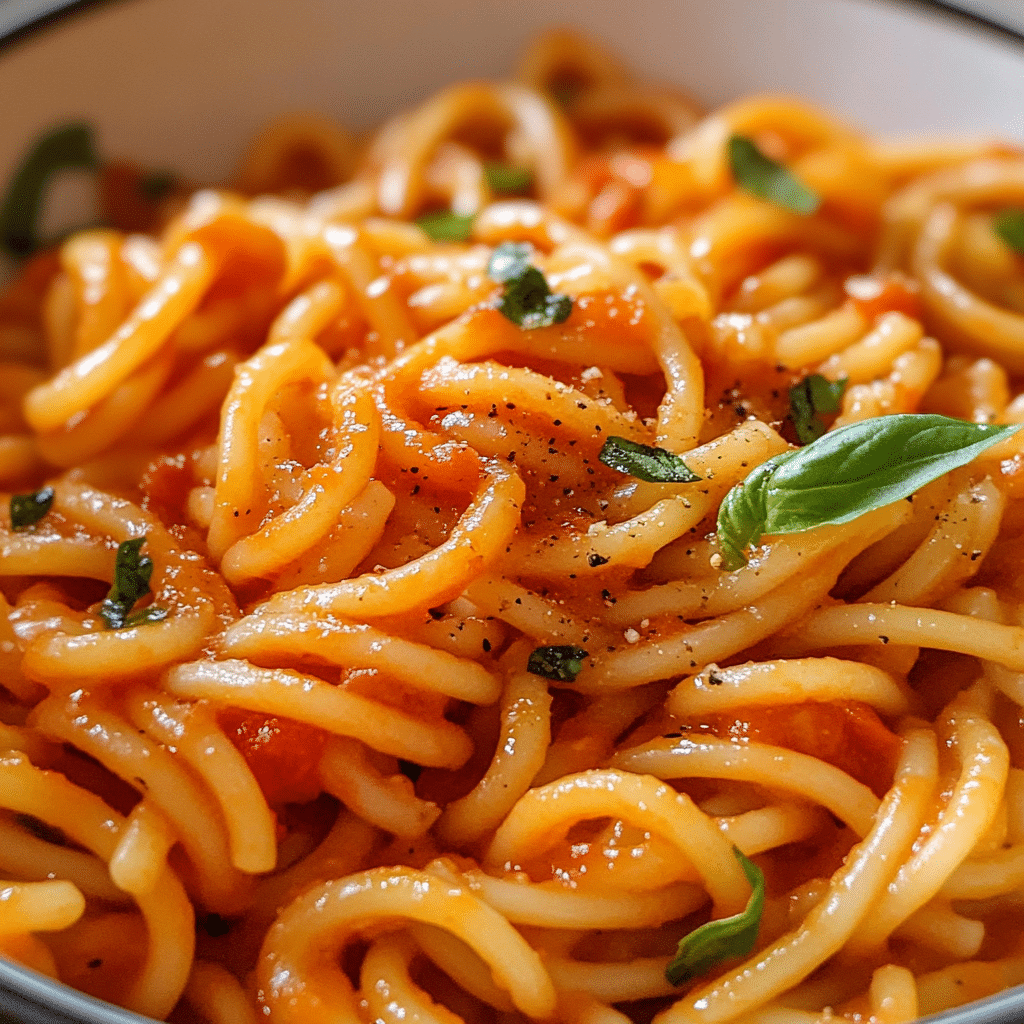
Pomodoro Sauce Pasta is a light yet satisfying dish that can be served in a variety of ways. Here are some ideas for serving:
- With Garlic Bread: A classic side for any pasta dish, garlic bread is perfect for sopping up the delicious Pomodoro sauce. Serve warm and crunchy alongside your pasta.
- With a Side Salad: A simple green salad with arugula, spinach, or mixed greens dressed with a lemon vinaigrette makes for a fresh and vibrant pairing.
- With Roasted Vegetables: Roasted vegetables such as zucchini, eggplant, or bell peppers provide additional flavor and nutrients, complementing the lightness of the Pomodoro sauce.
- With Extra Cheese: Top your dish with a generous sprinkle of Parmesan cheese or fresh mozzarella for added richness and flavor.
Additional Tips for Pomodoro Sauce Pasta
Here are a few tips to ensure your Pomodoro Sauce Pasta turns out perfectly:
- Use Ripe Tomatoes: The better the tomatoes, the better the sauce. Look for ripe, in-season tomatoes, as they’ll provide the best flavor.
- Don’t Overcook the Sauce: Pomodoro sauce is meant to be fresh and light. Don’t overcook it or let it become too thick. The sauce should remain a bit saucy and not dry out.
- Taste as You Go: Tomatoes vary in sweetness and acidity, so taste your sauce and adjust the seasoning as needed. Add more salt, pepper, or a little extra sugar if it’s too tart.
- Add Red Pepper Flakes for Heat: If you like a bit of spice, add red pepper flakes to the sauce while it simmers. It will give the dish a nice kick without overpowering the fresh flavors of the tomatoes and basil.
- Reserve Pasta Water: Always save some pasta water before draining. It’s a secret trick for making sure your sauce sticks to the noodles and doesn’t dry out.
Recipe Variations for Pomodoro Sauce Pasta
Here are a few fun and creative variations of Pomodoro Sauce Pasta to try:
- Pomodoro with Burrata: For a creamy and indulgent twist, top your Pomodoro Pasta with fresh burrata cheese. The richness of the cheese complements the bright, tangy sauce beautifully.
- Pomodoro with Meatballs: Add homemade or store-bought meatballs to your Pomodoro Pasta for a heartier meal. The meatballs soak up the tomato sauce, adding extra flavor and protein.
- Pomodoro with Grilled Chicken: Grilled chicken adds a smoky flavor to the lightness of the Pomodoro sauce. Top your pasta with slices of grilled chicken breast for a complete meal.
- Pomodoro with Roasted Vegetables: For a vegan-friendly variation, add roasted vegetables such as zucchini, mushrooms, or bell peppers to the pasta. The vegetables enhance the flavor of the Pomodoro sauce.
- Spicy Pomodoro: Add extra red pepper flakes or a small diced chili to the sauce for a spicy kick that pairs perfectly with the tomatoes and garlic.
Freezing and Storage for Pomodoro Sauce Pasta
- Freezing: While the Pomodoro sauce can be frozen on its own for up to 3 months, it’s not recommended to freeze the cooked pasta with the sauce. The texture of the pasta may change once frozen and reheated. If you have leftover sauce, store it in an airtight container in the freezer, and cook fresh pasta when you’re ready to serve.
- Storage: Store leftover Pomodoro sauce in an airtight container in the refrigerator for up to 3 days. To reheat, gently warm it in a saucepan over low heat, adding a bit of water or broth if the sauce thickens too much.
Special Equipment for Pomodoro Sauce Pasta
Here are some tools that may help in making Pomodoro Sauce Pasta:
- Large Skillet or Saucepan: A wide, deep skillet or saucepan is perfect for simmering the Pomodoro sauce and tossing the pasta.
- Colander: A colander is necessary for draining the pasta.
- Grater: A microplane or box grater is ideal for freshly grating Parmesan cheese over the top of the pasta.
- Lid for Simmering: A lid is useful for keeping the sauce at the right temperature while it simmers and reducing splattering.
FAQ Section about Pomodoro Sauce Pasta
- Can I use canned tomatoes instead of fresh tomatoes? Yes, canned whole or crushed tomatoes can be used in place of fresh tomatoes. Just be sure to choose high-quality canned tomatoes for the best flavor.
- Can I make Pomodoro sauce in advance? Yes! You can make the Pomodoro sauce ahead of time and store it in the refrigerator for up to 3 days. Just reheat it when you’re ready to serve.
- What is the best pasta for Pomodoro sauce? Spaghetti is the classic choice for Pomodoro sauce, but you can use any pasta shape that you prefer, like penne, fusilli, or fettuccine.
- Can I add meat to Pomodoro sauce? Yes, you can add meatballs, grilled chicken, or even sausage to the Pomodoro sauce for added protein and flavor.
- Can I make Pomodoro sauce without garlic? Garlic is a key flavor in Pomodoro sauce, but if you’re sensitive to it, you can omit it and still have a tasty sauce.

Pomodoro Sauce Pasta
- Total Time: 30 minutes
Ingredients
- For the Pomodoro Sauce:
- 2 tablespoons extra virgin olive oil
- 4 cloves garlic, minced
- 2 pounds (900g) fresh ripe tomatoes (Roma or plum tomatoes work best), chopped, or 2 cans (14.5 oz each) of whole peeled tomatoes
- 1/2 teaspoon salt
- 1/4 teaspoon freshly cracked black pepper
- 1 teaspoon sugar (optional, to balance acidity)
- 1/2 teaspoon dried oregano (optional)
- 1/4 cup fresh basil leaves, torn or chopped
- 1 tablespoon balsamic vinegar (optional, for extra depth)
- For the Pasta:
- 1 pound (450g) pasta (spaghetti, penne, or fettuccine works well)
- Salt (for boiling pasta water)
- Freshly grated Parmesan cheese (optional, for topping)
Ingredient Highlights
- Fresh Tomatoes: Fresh tomatoes are the star of this dish. Their natural sweetness and acidity create the perfect base for the Pomodoro Sauce. If fresh tomatoes are unavailable, you can substitute with canned tomatoes, but nothing beats the fresh taste of ripe tomatoes in this dish.
- Olive Oil: A good-quality extra virgin olive oil is essential for both sautéing the garlic and adding richness to the sauce. It enhances the flavors without overpowering them.
- Garlic: Garlic adds depth and aroma to the sauce. It’s essential for creating a well-balanced flavor profile.
- Basil: Fresh basil brings a burst of freshness and fragrance to the sauce, making it feel light and refreshing.
- Pasta: The choice of pasta can really impact the final dish. Spaghetti is a classic choice, but you can use other types like penne, rigatoni, or fettuccine. The key is to use a pasta shape that will hold the sauce well.
Instructions
Prepare the Pomodoro Sauce:
- Cook the Garlic: Heat the olive oil in a large pan or skillet over medium heat. Once the oil is hot, add the minced garlic and sauté for about 1-2 minutes until fragrant. Be careful not to let the garlic brown, as it can become bitter.
- Add the Tomatoes: Add the chopped fresh tomatoes (or canned tomatoes, if using) to the pan with the garlic. Stir to combine. If using fresh tomatoes, you may need to break them down with a spoon or spatula to create a saucy consistency. If using canned tomatoes, crush them gently with a spoon to help them break apart.
- Season the Sauce: Add the salt, pepper, and sugar (if using) to the tomato mixture. The sugar helps to balance the acidity of the tomatoes. If you like, you can also add some dried oregano for extra flavor. Stir to combine all the ingredients.
- Simmer the Sauce: Let the sauce simmer over medium-low heat for about 15-20 minutes, stirring occasionally. The sauce will reduce slightly and thicken. If you prefer a smoother sauce, you can use an immersion blender or regular blender to purée the mixture until smooth.
- Finish the Sauce: Just before the sauce is done, stir in the fresh basil leaves and balsamic vinegar (if using). The basil will infuse the sauce with its aromatic fragrance, and the vinegar will add a nice depth of flavor. Let the sauce cook for an additional 2-3 minutes.
Cook the Pasta:
- Boil the Pasta: While the sauce is simmering, bring a large pot of salted water to a boil. Once the water is boiling, add the pasta and cook according to the package instructions, usually around 8-10 minutes, or until al dente.
- Drain the Pasta: Once the pasta is cooked, reserve about 1/2 cup of pasta water, then drain the pasta in a colander. Set aside.
Combine the Pasta and Sauce:
- Toss the Pasta in the Sauce: Add the drained pasta to the pan with the Pomodoro Sauce. Toss the pasta in the sauce, adding a little reserved pasta water if needed to help the sauce adhere to the pasta. Let the pasta and sauce cook together for 1-2 minutes, allowing the pasta to absorb the flavors of the sauce.
- Serve the Pomodoro Pasta: Divide the Pomodoro Sauce Pasta among individual plates or bowls. Top with freshly grated Parmesan cheese, if desired, and garnish with extra basil leaves for a fresh touch.
- Prep Time: 10 minutes
- Cook Time: 20 minutes
Nutrition
- Serving Size: 4
- Calories: 400-450
- Fat: 15g
- Carbohydrates: 70g
- Protein: 10g
Conclusion for Pomodoro Sauce Pasta
Pomodoro Sauce Pasta is the epitome of Italian simplicity, turning a few fresh ingredients into a delicious, comforting meal. With its vibrant tomato-based sauce, aromatic garlic, and fragrant basil, it’s a dish that feels both fresh and familiar. Perfect for a quick weeknight dinner or as a crowd-pleasing meal at your next dinner party, Pomodoro Sauce Pasta is a recipe that’s sure to impress every time. Whether you’re keeping it classic or adding your own twist, it’s a dish that’s always in season and always satisfying. Enjoy!