
Introduction
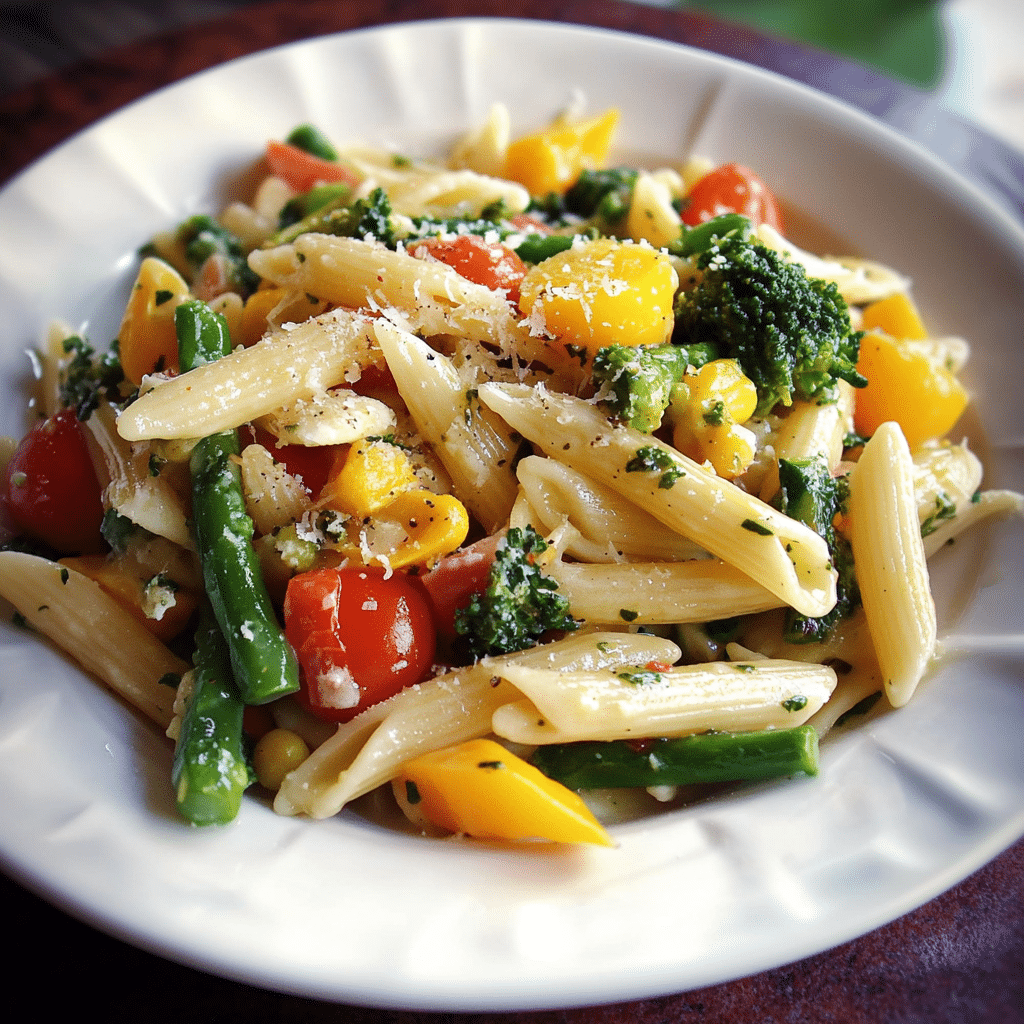
Pasta Primavera is a vibrant, light, and delicious dish that brings together the best of fresh seasonal vegetables with the comforting nature of pasta. Originating in Italy, this dish is a celebration of springtime vegetables, tossed in a simple yet flavorful sauce, making it a perfect option for a healthy and satisfying meal. The beauty of Pasta Primavera lies in its versatility—it’s easy to make, highly customizable, and can be enjoyed as a main dish, a side dish, or even as a meal prep option. Whether you’re a fan of classic pasta dishes or looking for something a bit lighter, Pasta Primavera is sure to please.
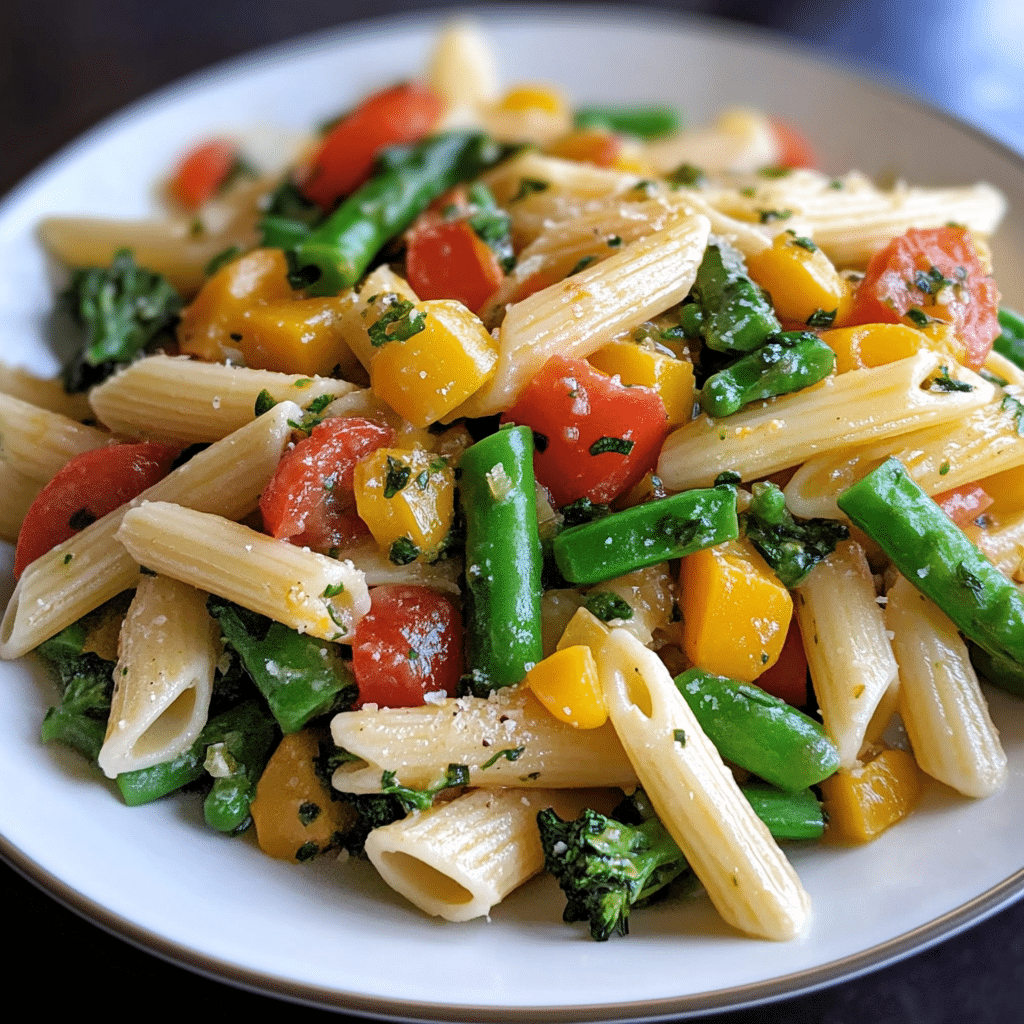
Loaded with vegetables like bell peppers, zucchini, tomatoes, and peas, this dish is as colorful as it is nutritious. The pasta is perfectly coated with a fragrant garlic and olive oil sauce, allowing the flavors of the vegetables to shine. For added richness, you can sprinkle some Parmesan cheese or add a squeeze of fresh lemon for a zesty finish. Pasta Primavera is ideal for anyone looking for a meal that’s both delicious and packed with vitamins and fiber.
Perfect for:
- Weeknight dinners
- Light summer meals
- Vegetarian or vegan diets (with some adjustments)
- Family gatherings
- Meatless Mondays or healthy eating
Why You’ll Love This Pasta Primavera
Here’s why Pasta Primavera will quickly become your go-to pasta dish:
- Fresh and Vibrant Flavors: The dish bursts with fresh, seasonal vegetables that are sautéed to perfection. The combination of colorful bell peppers, zucchini, peas, and tomatoes creates a stunning visual appeal while keeping the flavors light and refreshing.
- Customizable: This recipe is incredibly versatile. You can use any combination of vegetables you like, including broccoli, asparagus, carrots, or spinach. It’s the perfect opportunity to clean out your fridge and use up any leftover vegetables.
- Healthy and Nutritious: Pasta Primavera is a great way to get in your daily servings of vegetables. The pasta provides energy from carbs, while the vegetables deliver fiber, vitamins, and antioxidants.
- Quick and Easy: In under 30 minutes, you can have this simple yet satisfying dish on the table, making it perfect for busy nights when you want something wholesome and homemade.
- Delicious and Filling: With the right balance of pasta and vegetables, this dish is both light and filling, making it suitable for lunch, dinner, or a satisfying side dish.
- Vegan and Vegetarian Friendly: With just a few substitutions (like dairy-free cheese or skipping the cheese altogether), this dish can easily be made vegan or vegetarian, making it suitable for various dietary preferences.
Preparation and Cooking Time
- Total Time: 30 minutes
- Preparation Time: 10 minutes
- Cooking Time: 20 minutes
- Servings: 4 servings
- Calories per Serving: Approximately 350-400 calories (depending on portion size and ingredients)
- Key Nutrients: Protein: 10g, Carbs: 50g, Fat: 15g, Fiber: 5g
Ingredients
To make a vibrant and delicious Pasta Primavera, you’ll need the following ingredients:
- 12 oz pasta (spaghetti, fettuccine, or penne work best)
- 2 tablespoons olive oil (for sautéing)
- 1 medium zucchini, sliced into half-moons
- 1 red bell pepper, sliced into strips
- 1 yellow bell pepper, sliced into strips
- 1 cup cherry tomatoes, halved
- 1 cup peas (fresh or frozen)
- 2 cloves garlic, minced
- 1 tablespoon lemon juice (freshly squeezed)
- ½ teaspoon red pepper flakes (optional, for heat)
- Salt and freshly ground black pepper, to taste
- Fresh basil or parsley, chopped (for garnish)
- ¼ cup Parmesan cheese (optional, for topping)
Ingredient Highlights
- Pasta: The base of Pasta Primavera, providing the comforting structure of the dish. You can choose whole wheat, gluten-free, or your preferred pasta type.
- Olive Oil: A heart-healthy fat that brings all the flavors together while adding richness and a smooth texture to the dish.
- Vegetables: The key components of Pasta Primavera, which provide vitamins, minerals, and fiber. The freshness and color of the vegetables like bell peppers, zucchini, and tomatoes are what make this dish so appealing.
- Garlic: Adds aromatic depth and enhances the flavor of the sautéed vegetables.
- Lemon Juice: A splash of lemon juice brightens up the dish and balances the richness of the olive oil.
- Herbs: Fresh basil or parsley brings a touch of freshness to finish off the dish and adds visual appeal.
- Parmesan Cheese: Adds a savory umami note, though it’s optional for those avoiding dairy.
Step-by-Step Instructions
Follow these easy steps to create the perfect Pasta Primavera:
Cook the Pasta:
- Boil the Pasta: Bring a large pot of salted water to a boil. Add the pasta and cook according to the package instructions, usually around 8-10 minutes for al dente pasta. Once done, drain the pasta, reserving 1 cup of pasta water for later use, and set aside.
Sauté the Vegetables:
- Sauté the Vegetables: While the pasta cooks, heat olive oil over medium heat in a large skillet or sauté pan. Add the sliced zucchini, bell peppers, and peas. Cook for 5-7 minutes, stirring occasionally, until the vegetables start to soften but still have a slight crunch.
- Add the Garlic: Add the minced garlic and cook for an additional 1-2 minutes, stirring constantly, until the garlic becomes fragrant and slightly golden.
- Add the Tomatoes: Stir in the cherry tomatoes and cook for another 2-3 minutes, just until the tomatoes begin to soften and release their juices.
Combine the Pasta and Vegetables:
- Combine the Pasta and Vegetables: Add the cooked pasta to the skillet with the sautéed vegetables. Toss everything together to combine. If the mixture seems a bit dry, add a little of the reserved pasta water, one tablespoon at a time, until you reach the desired consistency.
- Season the Dish: Add the freshly squeezed lemon juice, red pepper flakes (if using), and salt and pepper to taste. Toss again to coat the pasta and vegetables evenly.
Serve and Garnish:
- Serve: Transfer the Pasta Primavera to serving plates or bowls. Garnish with freshly chopped basil or parsley and sprinkle with Parmesan cheese if desired.
- Enjoy: Serve immediately while the pasta is still warm. This dish can also be served at room temperature, making it an excellent option for picnics or potlucks.
How to Serve Pasta Primavera
Pasta Primavera is a versatile dish that can be served in many ways:
- As a Main Dish: For a light but satisfying meal, serve Pasta Primavera on its own. It’s filling enough to be enjoyed as the main course, especially when paired with a simple side salad or bread.
- With Protein: You can pair this dish with grilled chicken, shrimp, or even tofu for an extra boost of protein. Simply add the protein on top or toss it in with the pasta for a complete meal.
- As a Side Dish: Pasta Primavera works wonderfully as a side dish to accompany grilled meats, roasted chicken, or even a hearty vegetarian main course.
- With Fresh Bread: Serve alongside crusty garlic bread or a light baguette to soak up the flavorful sauce.
- For Meal Prep: This dish is perfect for meal prepping. You can make a big batch, store it in the refrigerator, and enjoy it for lunch or dinner throughout the week.
Additional Tips for Pasta Primavera
Here are some additional tips to elevate your Pasta Primavera:
- Use Seasonal Vegetables: Pasta Primavera is all about showcasing fresh, seasonal vegetables. In the summer, use zucchini, cherry tomatoes, and fresh basil. In the fall, try roasted butternut squash, Brussels sprouts, and kale.
- Cook the Vegetables to Your Preference: Some people prefer their vegetables tender, while others like them to retain a bit of crunch. Adjust the cooking time based on how you like your vegetables.
- Make It Vegan: Skip the Parmesan cheese, and use dairy-free cheese or nutritional yeast for a cheesy flavor if you’re following a vegan diet.
- Add Extra Herbs: Fresh herbs like thyme, rosemary, or oregano can add more complexity to the flavor of the dish. Don’t be afraid to experiment with different herbs.
- Use Whole Wheat or Gluten-Free Pasta: For a healthier or gluten-free option, opt for whole wheat pasta or gluten-free pasta made from rice or corn.
- For a Creamier Version: Add a splash of heavy cream or coconut milk to make the sauce richer and creamier. Stir in the cream after the garlic and before adding the pasta.
Recipe Variations of Pasta Primavera
Here are 10 creative variations of Pasta Primavera to try:
- Creamy Pasta Primavera: Add heavy cream or coconut milk to the sauce for a rich, creamy texture.
- Roasted Vegetable Pasta Primavera: Roast the vegetables in the oven for a caramelized flavor before tossing them with the pasta.
- Pasta Primavera with Pesto: Stir in some fresh pesto sauce for an extra burst of herby flavor.
- Pasta Primavera with Chicken: Grill or sauté some chicken breast and slice it on top of the pasta for a protein-packed version.
- Pasta Primavera with Shrimp: Add grilled or sautéed shrimp for a seafood twist on the classic dish.
- Vegan Pasta Primavera: Skip the Parmesan and use nutritional yeast or a vegan cheese substitute to make the dish vegan-friendly.
- Lemon Garlic Pasta Primavera: Boost the lemony flavor by adding extra lemon zest along with the juice.
- Spicy Pasta Primavera: Add more red pepper flakes or a dash of hot sauce to give the dish some heat.
- Pasta Primavera with Artichokes: Add marinated artichoke hearts for a tangy and savory addition to the dish.
- Pasta Primavera with Broccoli: Add steamed broccoli florets for extra nutrients and texture.
Freezing and Storage for Pasta Primavera
- Freezing: Pasta Primavera is best enjoyed fresh, but you can freeze leftovers for up to 3 months. Make sure to store it in an airtight container. To reheat, thaw in the refrigerator overnight, then heat in the microwave or on the stovetop with a little extra olive oil or water to loosen the sauce.
- Storage: Store leftover Pasta Primavera in an airtight container in the fridge for up to 3 days. Reheat it in the microwave or on the stovetop, adding a splash of water or olive oil to prevent it from drying out.
Special Equipment for Pasta Primavera
Here are some kitchen tools you might find helpful when preparing Pasta Primavera:
- Large Pot for Boiling Pasta: A large pot is necessary for cooking the pasta.
- Large Skillet or Sauté Pan: A big skillet allows you to sauté the vegetables and toss the pasta without overcrowding.
- Lemon Juicer: If you use fresh lemons, a lemon juicer makes it easy to squeeze the juice without seeds.
- Tongs or Pasta Server: These are helpful for mixing and serving the pasta without making a mess.
- Sharp Knife: A sharp knife makes it easy to slice vegetables and cut the garlic.
FAQ Section about Pasta Primavera
- Can I use frozen vegetables for Pasta Primavera?
Yes, you can use frozen vegetables if fresh ones aren’t available. Just be sure to thaw them before cooking. - Can I make Pasta Primavera ahead of time?
Yes, you can make the pasta and vegetables ahead of time. Store the components separately in the fridge and combine them when ready to serve. - Can I use different pasta shapes?
Absolutely! You can use any type of pasta you prefer, such as spaghetti, fusilli, or penne. - Can I add meat to Pasta Primavera?
Yes, grilled chicken, shrimp, or sausage are great options if you want to add protein to the dish. - Can I make this dish gluten-free?
Yes, simply use gluten-free pasta to make Pasta Primavera suitable for those on a gluten-free diet.
Pasta Primavera
- Total Time: 30 minutes
Ingredients
To make a vibrant and delicious Pasta Primavera, you’ll need the following ingredients:
- 12 oz pasta (spaghetti, fettuccine, or penne work best)
- 2 tablespoons olive oil (for sautéing)
- 1 medium zucchini, sliced into half-moons
- 1 red bell pepper, sliced into strips
- 1 yellow bell pepper, sliced into strips
- 1 cup cherry tomatoes, halved
- 1 cup peas (fresh or frozen)
- 2 cloves garlic, minced
- 1 tablespoon lemon juice (freshly squeezed)
- ½ teaspoon red pepper flakes (optional, for heat)
- Salt and freshly ground black pepper, to taste
- Fresh basil or parsley, chopped (for garnish)
- ¼ cup Parmesan cheese (optional, for topping)
Ingredient Highlights
- Pasta: The base of Pasta Primavera, providing the comforting structure of the dish. You can choose whole wheat, gluten-free, or your preferred pasta type.
- Olive Oil: A heart-healthy fat that brings all the flavors together while adding richness and a smooth texture to the dish.
- Vegetables: The key components of Pasta Primavera, which provide vitamins, minerals, and fiber. The freshness and color of the vegetables like bell peppers, zucchini, and tomatoes are what make this dish so appealing.
- Garlic: Adds aromatic depth and enhances the flavor of the sautéed vegetables.
- Lemon Juice: A splash of lemon juice brightens up the dish and balances the richness of the olive oil.
- Herbs: Fresh basil or parsley brings a touch of freshness to finish off the dish and adds visual appeal.
- Parmesan Cheese: Adds a savory umami note, though it’s optional for those avoiding dairy.
Instructions
Cook the Pasta:
- Boil the Pasta: Bring a large pot of salted water to a boil. Add the pasta and cook according to the package instructions, usually around 8-10 minutes for al dente pasta. Once done, drain the pasta, reserving 1 cup of pasta water for later use, and set aside.
Sauté the Vegetables:
-
Sauté the Vegetables: While the pasta cooks, heat olive oil over medium heat in a large skillet or sauté pan. Add the sliced zucchini, bell peppers, and peas. Cook for 5-7 minutes, stirring occasionally, until the vegetables start to soften but still have a slight crunch.
-
Add the Garlic: Add the minced garlic and cook for an additional 1-2 minutes, stirring constantly, until the garlic becomes fragrant and slightly golden.
-
Add the Tomatoes: Stir in the cherry tomatoes and cook for another 2-3 minutes, just until the tomatoes begin to soften and release their juices.
Combine the Pasta and Vegetables:
-
Combine the Pasta and Vegetables: Add the cooked pasta to the skillet with the sautéed vegetables. Toss everything together to combine. If the mixture seems a bit dry, add a little of the reserved pasta water, one tablespoon at a time, until you reach the desired consistency.
-
Season the Dish: Add the freshly squeezed lemon juice, red pepper flakes (if using), and salt and pepper to taste. Toss again to coat the pasta and vegetables evenly.
Serve and Garnish:
-
Serve: Transfer the Pasta Primavera to serving plates or bowls. Garnish with freshly chopped basil or parsley and sprinkle with Parmesan cheese if desired.
-
Enjoy: Serve immediately while the pasta is still warm. This dish can also be served at room temperature, making it an excellent option for picnics or potlucks.
- Prep Time: 10 minutes
- Cook Time: 20 minutes
Nutrition
- Serving Size: 4
- Calories: 350-400
- Fat: 15g
- Carbohydrates: 50g
- Fiber: 5g
- Protein: 10g
Conclusion
Pasta Primavera is a simple yet flavorful dish that’s perfect for any occasion, from weeknight dinners to special gatherings. Bursting with fresh vegetables, this dish is as nutritious as it is delicious. Whether you choose to keep it light with just pasta and veggies or add some protein, this versatile recipe can be customized to suit your tastes and dietary preferences. With its vibrant colors and fresh flavors, Pasta Primavera will soon become a staple in your recipe collection.