
Introduction
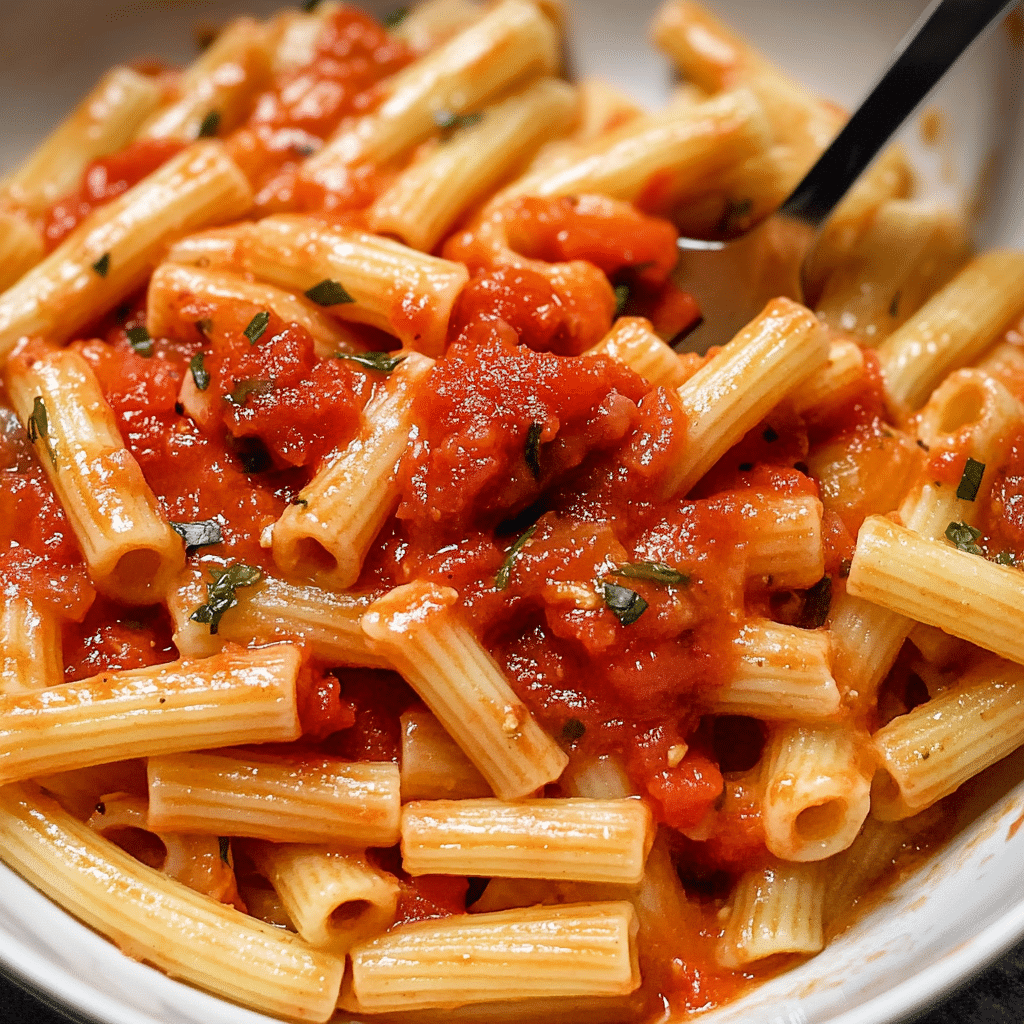
Pasta Pomodoro Sauce is the epitome of simplicity and freshness, showcasing the natural flavors of ripe tomatoes, garlic, olive oil, and basil. This Italian classic is light yet flavorful, making it the perfect sauce to accompany your favorite pasta for a quick and satisfying meal. Whether you’re new to cooking or an experienced chef, this easy-to-make sauce is sure to elevate your pasta dishes. With just a handful of ingredients, you can create a rich, aromatic sauce that is perfect for any occasion—whether it’s a weeknight dinner, a casual lunch, or even a dinner party.
The beauty of Pasta Pomodoro Sauce lies in its minimalism. The sauce highlights the quality of the ingredients, allowing each element to shine. It’s not just about tomatoes and garlic, but also about the balance of flavors that come together to create a harmonious, comforting dish. Plus, it’s versatile enough to be adapted to your tastes, whether you like a bit of heat, prefer to add extra herbs, or enjoy a touch of creaminess.
Perfect for:
- Weeknight dinners
- Family meals
- Pasta lovers
- Light and fresh meals
- Quick and simple dishes
Why You’ll Love This Pasta Pomodoro Sauce Recipe
Here’s why Pasta Pomodoro Sauce will become your go-to recipe for pasta night:
- Simple Ingredients: You don’t need a long list of ingredients to make this sauce. Just ripe tomatoes, garlic, olive oil, basil, and a few seasonings come together to make a vibrant, flavorful sauce.
- Fresh and Light: Unlike heavier tomato sauces, Pomodoro Sauce is light and fresh, allowing the natural sweetness of the tomatoes to shine through.
- Quick and Easy: This sauce comes together in just 30 minutes, making it the perfect choice for a weeknight meal.
- Versatile: You can serve this sauce with any type of pasta, from spaghetti to penne or rigatoni. It’s also great for adding to other Italian dishes like lasagna or eggplant Parmesan.
- Customizable: You can easily adjust the flavor by adding extra herbs, a dash of chili flakes for heat, or a bit of Parmesan for richness. It’s the perfect base for personalizing to your taste.
Preparation and Cooking Time
- Total Time: 40 minutes
- Preparation Time: 10 minutes
- Cooking Time: 30 minutes
- Servings: 4 servings
- Calories per serving: Approximately 250-300 calories (depending on the amount of oil and pasta used)
- Key Nutrients: Protein: 4g, Carbs: 40g, Fat: 15g
Ingredients
Here’s what you’ll need to make this vibrant, flavorful Pasta Pomodoro Sauce:
- 2 tablespoons extra virgin olive oil
- 4 cloves garlic, minced
- 1 can (28 oz) crushed tomatoes or 6-8 ripe Roma tomatoes, peeled and chopped
- 1 teaspoon dried oregano (optional)
- 1 teaspoon sugar (to balance acidity, optional)
- Salt and pepper, to taste
- 1 teaspoon red pepper flakes (optional, for some heat)
- ½ cup fresh basil leaves, chopped (plus extra for garnish)
- 1 tablespoon fresh parsley, chopped (optional for garnish)
- Freshly grated Parmesan cheese (optional, for serving)
- 1 lb pasta of your choice (spaghetti, penne, or linguine work great)
Ingredient Highlights
- Tomatoes: The key to a great Pasta Pomodoro Sauce is ripe, high-quality tomatoes. Whether you use canned tomatoes or fresh ones, they bring the essential sweetness and tang that form the base of the sauce.
- Garlic: Garlic adds a rich, aromatic flavor to the sauce. Sautéed until fragrant, it provides depth without overpowering the freshness of the tomatoes.
- Basil: Fresh basil is a hallmark of Italian cuisine, offering a slightly peppery, aromatic flavor that pairs beautifully with tomatoes. It adds a burst of freshness to the sauce.
- Olive Oil: Extra virgin olive oil brings richness and smoothness to the sauce, allowing the flavors to meld together while also adding a healthy fat element.
- Red Pepper Flakes: If you like a little heat, red pepper flakes are a great addition. They add a subtle spiciness that balances the sweetness of the tomatoes.
Step-by-Step Instructions
Follow these simple steps to make the perfect Pasta Pomodoro Sauce:
Prepare the Tomatoes:
- Peel and Chop the Tomatoes: If you’re using fresh tomatoes, begin by making an “X” at the bottom of each tomato and blanching them in boiling water for 1 minute. Afterward, place them in ice water to stop the cooking process, and peel off the skins. Once peeled, chop the tomatoes into small pieces. If using canned crushed tomatoes, simply open the can and set it aside.
Sauté the Garlic:
- Heat the Olive Oil: In a large skillet, heat the extra virgin olive oil over medium heat. Add the minced garlic to the pan and sauté for 1-2 minutes, stirring constantly, until it becomes fragrant and golden brown. Be careful not to burn the garlic, as it can become bitter.
Add the Tomatoes:
- Cook the Tomatoes: Add the chopped fresh tomatoes or canned crushed tomatoes to the skillet with the garlic. Stir to combine and cook the tomatoes for 10-12 minutes, allowing them to break down and release their juices. If you prefer a smoother sauce, you can use a spoon to mash the tomatoes slightly while they cook.
Season the Sauce:
- Add Seasonings: Stir in the dried oregano, salt, and pepper. If you like your sauce slightly sweeter, add a teaspoon of sugar to balance the acidity of the tomatoes. For some extra heat, sprinkle in red pepper flakes (optional). Continue cooking for an additional 10-15 minutes, stirring occasionally. The sauce should thicken slightly and become more flavorful as it cooks.
Add Fresh Basil:
- Stir in the Basil: Once the sauce has thickened to your liking, stir in the chopped fresh basil leaves. Let the basil cook in the sauce for another 2-3 minutes, allowing the flavors to infuse.
Cook the Pasta:
- Boil the Pasta: While the sauce is simmering, cook your pasta according to the package instructions. Be sure to salt the water generously, as this will help flavor the pasta. Once the pasta is al dente, drain it, reserving a small cup of pasta cooking water to adjust the sauce consistency if needed.
Combine Pasta and Sauce:
- Toss the Pasta with the Sauce: Add the cooked pasta directly to the skillet with the Pomodoro sauce. Toss the pasta in the sauce, adding a bit of the reserved pasta water if the sauce needs thinning. Coat the pasta evenly with the sauce, ensuring each strand or piece is covered.
Serve:
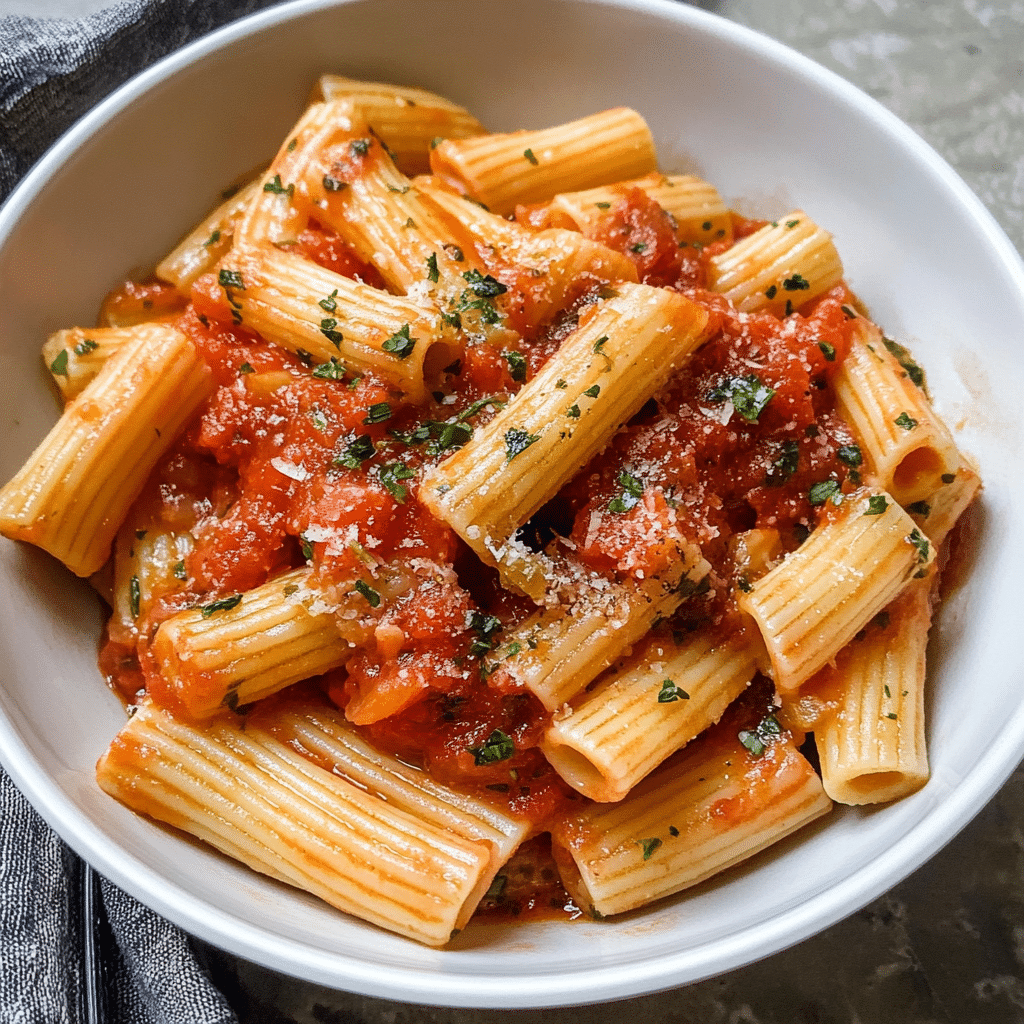
- Plate and Serve: Serve the Pasta Pomodoro immediately, garnished with additional fresh basil leaves and a sprinkle of freshly grated Parmesan cheese, if desired. For added flavor, you can drizzle a bit of olive oil over the top.
How to Serve Pasta Pomodoro Sauce
Pasta Pomodoro Sauce is incredibly versatile and can be served in various ways:
- With Garlic Bread: Serve the pasta with some crusty garlic bread on the side for a classic Italian meal.
- With a Salad: A fresh green salad with a simple vinaigrette complements the lightness of the Pomodoro sauce.
- As a Main Dish: This sauce is perfect for a light but filling main dish, especially when served with a simple side of vegetables or a protein like grilled chicken or shrimp.
- For a Family Dinner: Pasta Pomodoro is a crowd-pleaser and works well for family meals, as it’s easy to prepare in larger quantities.
- With Meatballs: For those who like a bit of heartiness, serve this sauce with homemade or store-bought meatballs.
Additional Tips for Pasta Pomodoro Sauce
Here are a few tips to ensure your Pasta Pomodoro Sauce turns out perfect every time:
- Use Fresh Tomatoes When Possible: If you have access to fresh, ripe tomatoes, they make all the difference in the flavor of the sauce. During tomato season, this is the best option.
- Don’t Overcook the Tomatoes: You want the tomatoes to retain some of their natural sweetness, so avoid cooking them for too long. They should soften and break down, but not become overly mushy.
- Adjust the Consistency: If you prefer a thicker sauce, cook it longer to allow the water to evaporate. For a thinner sauce, add a bit of reserved pasta cooking water to achieve the desired consistency.
- Make It Creamy: If you prefer a creamy twist, you can stir in a splash of heavy cream or a dollop of ricotta cheese at the end of cooking.
- Add Protein: To make the dish more filling, add grilled chicken, shrimp, or even sautéed sausage to the pasta for a complete meal.
Recipe Variations of Pasta Pomodoro Sauce
Here are 10 variations of Pasta Pomodoro Sauce that you can try to switch things up:
- Spicy Pomodoro Sauce: Add more red pepper flakes or fresh chopped chilies to the sauce for a spicy kick.
- Pomodoro with Mushrooms: Sauté sliced mushrooms with the garlic to add an earthy flavor to the sauce.
- Pomodoro with Olives: Stir in some Kalamata olives for a Mediterranean twist.
- Pomodoro with Capers: Add capers to the sauce for a tangy, briny contrast to the sweetness of the tomatoes.
- Pomodoro with Anchovies: Sauté anchovies with the garlic to add a savory, umami depth to the sauce.
- Tomato and Basil Cream Sauce: Stir in some heavy cream or half-and-half at the end to create a creamy version of the Pomodoro sauce.
- Pomodoro with Roasted Vegetables: Add roasted vegetables like zucchini, bell peppers, or eggplant for a heartier, veggie-packed sauce.
- Pomodoro with Pesto: Add a spoonful of pesto to the sauce for a burst of herbal flavor.
- Pomodoro with Ground Beef or Sausage: For a meaty version, add ground beef or sausage to the sauce and cook until browned.
- Pomodoro with Fresh Burrata: Top the pasta with fresh burrata cheese for a creamy, indulgent twist.
Freezing and Storage for Pasta Pomodoro Sauce
- Freezing: Pasta Pomodoro Sauce freezes well for up to 3 months. Let the sauce cool completely before transferring it to an airtight container or freezer bag. When you’re ready to use it, thaw the sauce in the refrigerator overnight and reheat it on the stovetop.
- Storage: Store leftover Pomodoro sauce in the fridge for up to 4 days. Reheat the sauce gently over low heat, adding a little pasta water or extra olive oil to adjust the consistency.
Special Equipment for Pasta Pomodoro Sauce
Here are a few items that can make preparing Pasta Pomodoro Sauce even easier:
- Skillet or Sauté Pan: A wide skillet or sauté pan works best for cooking the garlic and tomatoes, allowing for better heat distribution.
- Chef’s Knife: A sharp chef’s knife makes chopping tomatoes and garlic much easier.
- Garlic Press: If you don’t want to mince the garlic by hand, a garlic press is a handy tool for quickly crushing garlic cloves.
- Colander: Use a colander to drain the pasta after cooking.
- Wooden Spoon: A wooden spoon is perfect for stirring the sauce without damaging your pan.
- Large Pot: For cooking the pasta.
- Grater: A microplane or box grater will give you fresh, finely grated Parmesan for garnish.
- Lid for the Skillet: To help the sauce cook more quickly and retain moisture.
- Storage Containers: For storing leftovers or freezing the sauce.
- Large Bowl: For tossing the pasta and sauce together.
FAQ Section about Pasta Pomodoro Sauce
- Can I use canned tomatoes instead of fresh tomatoes? Yes, canned tomatoes (especially whole peeled or crushed) work perfectly for Pasta Pomodoro Sauce and save you time.
- How do I make the sauce spicier? You can add more red pepper flakes or fresh chopped chilies for added heat.
- Can I make this sauce ahead of time? Yes, you can make the sauce in advance and store it in the fridge for up to 4 days or freeze it for up to 3 months.
- What type of pasta should I use with this sauce? While spaghetti is the classic choice, you can pair this sauce with any pasta you like, such as penne, rigatoni, or linguine.
- Can I make this sauce creamy? Yes, you can add heavy cream or ricotta cheese to make a creamy Pomodoro Sauce.
Pasta Pomodoro Sauce
- Total Time: 40 minutes
Ingredients
Here’s what you’ll need to make this vibrant, flavorful Pasta Pomodoro Sauce:
- 2 tablespoons extra virgin olive oil
- 4 cloves garlic, minced
- 1 can (28 oz) crushed tomatoes or 6–8 ripe Roma tomatoes, peeled and chopped
- 1 teaspoon dried oregano (optional)
- 1 teaspoon sugar (to balance acidity, optional)
- Salt and pepper, to taste
- 1 teaspoon red pepper flakes (optional, for some heat)
- ½ cup fresh basil leaves, chopped (plus extra for garnish)
- 1 tablespoon fresh parsley, chopped (optional for garnish)
- Freshly grated Parmesan cheese (optional, for serving)
- 1 lb pasta of your choice (spaghetti, penne, or linguine work great)
Ingredient Highlights
- Tomatoes: The key to a great Pasta Pomodoro Sauce is ripe, high-quality tomatoes. Whether you use canned tomatoes or fresh ones, they bring the essential sweetness and tang that form the base of the sauce.
- Garlic: Garlic adds a rich, aromatic flavor to the sauce. Sautéed until fragrant, it provides depth without overpowering the freshness of the tomatoes.
- Basil: Fresh basil is a hallmark of Italian cuisine, offering a slightly peppery, aromatic flavor that pairs beautifully with tomatoes. It adds a burst of freshness to the sauce.
- Olive Oil: Extra virgin olive oil brings richness and smoothness to the sauce, allowing the flavors to meld together while also adding a healthy fat element.
- Red Pepper Flakes: If you like a little heat, red pepper flakes are a great addition. They add a subtle spiciness that balances the sweetness of the tomatoes.
Instructions
Prepare the Tomatoes:
- Peel and Chop the Tomatoes: If you’re using fresh tomatoes, begin by making an “X” at the bottom of each tomato and blanching them in boiling water for 1 minute. Afterward, place them in ice water to stop the cooking process, and peel off the skins. Once peeled, chop the tomatoes into small pieces. If using canned crushed tomatoes, simply open the can and set it aside.
Sauté the Garlic:
- Heat the Olive Oil: In a large skillet, heat the extra virgin olive oil over medium heat. Add the minced garlic to the pan and sauté for 1-2 minutes, stirring constantly, until it becomes fragrant and golden brown. Be careful not to burn the garlic, as it can become bitter.
Add the Tomatoes:
- Cook the Tomatoes: Add the chopped fresh tomatoes or canned crushed tomatoes to the skillet with the garlic. Stir to combine and cook the tomatoes for 10-12 minutes, allowing them to break down and release their juices. If you prefer a smoother sauce, you can use a spoon to mash the tomatoes slightly while they cook.
Season the Sauce:
- Add Seasonings: Stir in the dried oregano, salt, and pepper. If you like your sauce slightly sweeter, add a teaspoon of sugar to balance the acidity of the tomatoes. For some extra heat, sprinkle in red pepper flakes (optional). Continue cooking for an additional 10-15 minutes, stirring occasionally. The sauce should thicken slightly and become more flavorful as it cooks.
Add Fresh Basil:
- Stir in the Basil: Once the sauce has thickened to your liking, stir in the chopped fresh basil leaves. Let the basil cook in the sauce for another 2-3 minutes, allowing the flavors to infuse.
Cook the Pasta:
- Boil the Pasta: While the sauce is simmering, cook your pasta according to the package instructions. Be sure to salt the water generously, as this will help flavor the pasta. Once the pasta is al dente, drain it, reserving a small cup of pasta cooking water to adjust the sauce consistency if needed.
Combine Pasta and Sauce:
- Toss the Pasta with the Sauce: Add the cooked pasta directly to the skillet with the Pomodoro sauce. Toss the pasta in the sauce, adding a bit of the reserved pasta water if the sauce needs thinning. Coat the pasta evenly with the sauce, ensuring each strand or piece is covered.
Serve:
- Plate and Serve: Serve the Pasta Pomodoro immediately, garnished with additional fresh basil leaves and a sprinkle of freshly grated Parmesan cheese, if desired. For added flavor, you can drizzle a bit of olive oil over the top.
- Prep Time: 10 minutes
- Cook Time: 30 minutes
Nutrition
- Serving Size: 4
- Calories: 250-300
- Fat: 15g
- Carbohydrates: 40g
- Protein: 4g
Conclusion of Pasta Pomodoro Sauce
Pasta Pomodoro Sauce is a timeless Italian classic that is both delicious and simple to prepare. With its fresh ingredients and bold, natural flavors, it’s a dish that’s perfect for any occasion. Whether you’re cooking for one or feeding a family, this sauce is a versatile and satisfying choice that can be customized to your tastes. With minimal effort and maximum flavor, Pasta Pomodoro Sauce is sure to become a staple in your cooking repertoire!