
Introduction
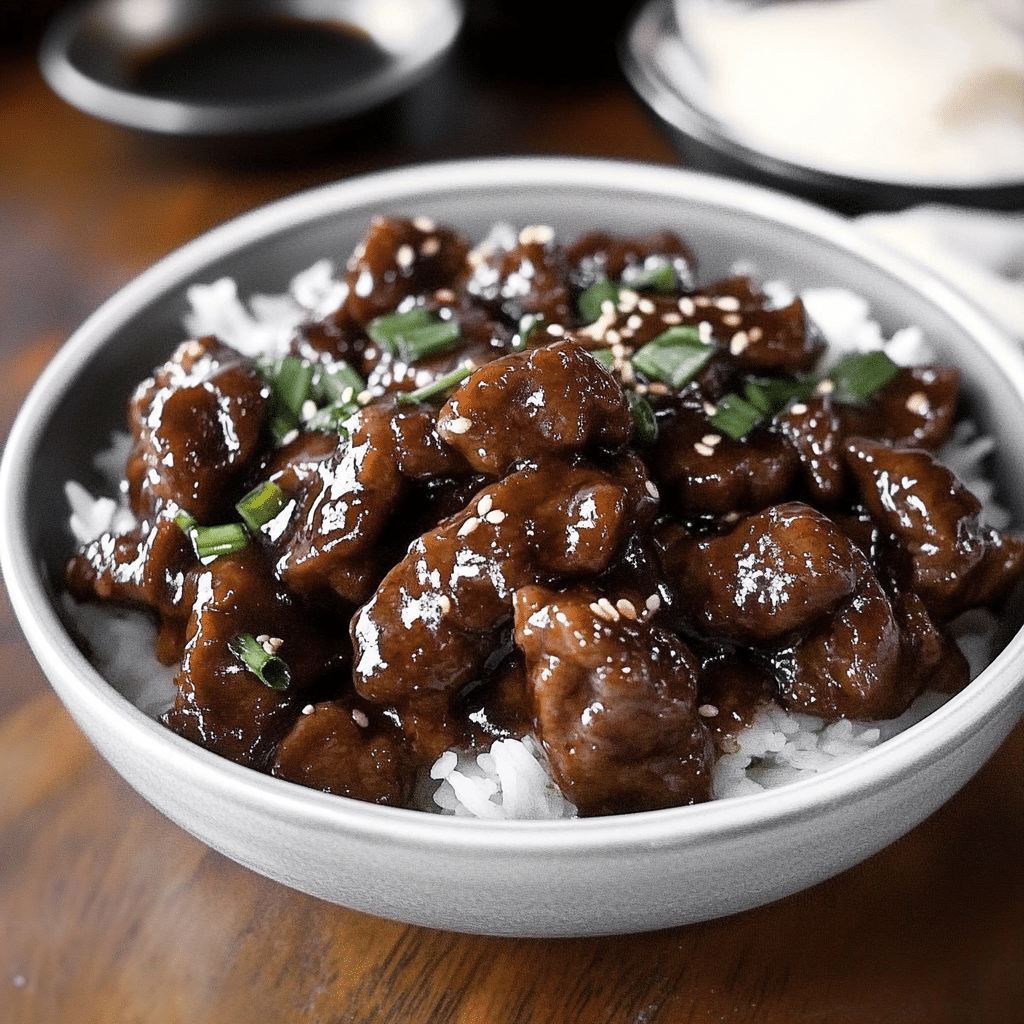
Mongolian Beef is a flavorful and savory dish that has become a popular favorite in many Asian-American restaurants. Known for its tender beef, sweet and savory sauce, and perfect balance of garlic, soy, and ginger, Mongolian Beef is an incredibly delicious meal that’s quick and easy to prepare at home. Its rich flavors and melt-in-your-mouth texture make it an ideal option for dinner when you want something comforting yet exotic. Whether served over rice or noodles, Mongolian Beef is a crowd-pleasing dish that’s bound to become a staple in your kitchen.
Perfect for:
- Family dinners
- Weeknight meals
- Special occasions
- Serving guests
- Stir-fry lovers
- Beef enthusiasts
Why You’ll Love This Recipe
Here’s why Mongolian Beef will become your new favorite dish:
- Bold, Savory Flavor: The combination of soy sauce, brown sugar, ginger, and garlic creates a perfect balance of sweetness and umami, making this dish irresistible.
- Tender Beef: The flank steak or sirloin used in Mongolian Beef is thinly sliced, ensuring each bite is tender and juicy.
- Quick and Easy: This recipe comes together in about 30 minutes, making it perfect for busy weeknights when you’re craving something flavorful but don’t have a lot of time.
- Versatile: You can serve Mongolian Beef over rice, noodles, or even as part of a larger Chinese-inspired meal.
- Customizable: Adjust the sweetness or spice level of the sauce to suit your tastes and add your favorite vegetables for extra flavor and nutrition.
- Great for Leftovers: Mongolian Beef stores well and tastes even better the next day after the flavors have had time to meld.
Preparation and Cooking Time
- Total Time: 35 minutes
- Preparation Time: 10 minutes
- Cooking Time: 25 minutes
- Servings: 4-6 servings
- Calories per Serving: Approximately 350-400 calories
- Key Nutrients: Protein: 30g, Carbs: 18g, Fat: 22g
Ingredients
Here’s what you’ll need to make this mouthwatering Mongolian Beef:
- 1 lb flank steak or sirloin, thinly sliced against the grain
- 2 tablespoons vegetable oil (for cooking)
- 4 cloves garlic, minced
- 1-inch piece of fresh ginger, minced or grated
- 1/4 cup soy sauce (low sodium preferred)
- 1/4 cup water
- 1/4 cup brown sugar, packed
- 2 tablespoons hoisin sauce (optional for extra flavor)
- 1/2 teaspoon red pepper flakes (optional, for a spicy kick)
- 2-3 green onions (scallions), sliced into 1-inch pieces
- 1 tablespoon cornstarch (optional, for thickening the sauce)
- 1 tablespoon sesame oil (for garnish, optional)
- Toasted sesame seeds (for garnish, optional)
Ingredient Highlights
- Flank Steak or Sirloin: These cuts of beef are ideal for Mongolian Beef because they’re tender and become even more succulent when thinly sliced. Flank steak, in particular, absorbs flavors well and cooks quickly.
- Soy Sauce: Soy sauce adds a rich, salty umami flavor to the dish, providing the base of the sauce. Low-sodium soy sauce is a great choice to control the salt content.
- Brown Sugar: Brown sugar adds sweetness that balances the salty soy sauce, creating that signature savory-sweet flavor in Mongolian Beef.
- Ginger and Garlic: Fresh ginger and garlic add aromatic and bold flavors, which enhance the overall dish and bring out its depth.
- Green Onions: Green onions provide a fresh crunch and a slight oniony flavor, which complements the richness of the beef and sauce.
Step-by-Step Instructions
Follow these easy steps to make the perfect Mongolian Beef:
Prepare the Beef:
- Slice the Beef: Begin by thinly slicing the flank steak or sirloin against the grain. Slice it into strips that are about 1/4-inch wide. This step is crucial to ensure that the beef is tender and easy to chew.
- Toss the Beef with Cornstarch (Optional): For a slightly crispy texture, you can toss the sliced beef in a tablespoon of cornstarch. This step is optional but will help create a nice crisp exterior when cooking.
- Prep the Garnishes: Slice the green onions into 1-inch pieces, keeping both the white and green parts. You can also prepare the sesame seeds and sesame oil if you’re using them for garnish.
Cook the Beef:
- Heat the Pan: Heat 1 tablespoon of vegetable oil in a large skillet or wok over medium-high heat. Once the oil is hot, add the sliced beef in batches (don’t overcrowd the pan) and cook for 2-3 minutes, turning the beef pieces until they are browned on both sides. Remove the beef from the pan and set aside.
- Sauté Garlic and Ginger: In the same skillet, add another tablespoon of vegetable oil. Add the minced garlic and grated ginger and sauté for about 30 seconds until fragrant. Be careful not to burn the garlic.
- Prepare the Sauce: In a small bowl, combine the soy sauce, water, brown sugar, and hoisin sauce (if using). Stir until the sugar has dissolved. If you prefer a thicker sauce, mix in a teaspoon of cornstarch with the sauce ingredients before adding it to the pan.
- Simmer the Sauce: Pour the sauce mixture into the skillet with the garlic and ginger. Bring it to a simmer over medium heat and cook for 2-3 minutes, allowing the sauce to thicken and become glossy.
- Return the Beef to the Pan: Add the cooked beef back into the skillet with the sauce. Stir well to coat the beef evenly with the sauce. Cook for another 2-3 minutes until the beef is fully coated and heated through.
Final Touches:
- Add Green Onions: Toss the sliced green onions into the beef and sauce, stirring gently. Cook for an additional 1-2 minutes to soften the green onions while maintaining their vibrant color.
- Garnish and Serve: Drizzle a little sesame oil over the beef and sprinkle with toasted sesame seeds for a nutty crunch. Serve your Mongolian Beef over steamed rice, noodles, or even on its own for a low-carb option.

How to Serve Recipe Title
Mongolian Beef can be served in a variety of delicious ways:
- Over Steamed Rice: Mongolian Beef is best enjoyed over a bed of white, brown, or jasmine rice to soak up the flavorful sauce. The rice balances the richness of the beef and adds a comforting base.
- With Noodles: Serve Mongolian Beef over stir-fried noodles for a heartier meal. Udon or lo mein noodles work especially well with this dish.
- With Vegetables: Add vegetables like steamed broccoli, bell peppers, or snap peas to the dish for added color and nutrition.
- For Meal Prep: Mongolian Beef is an excellent meal prep option. Make a large batch and store individual portions in airtight containers for an easy-to-reheat meal throughout the week.
Additional Tips for Recipe Title
Here are some tips to make your Mongolian Beef even better:
- Slice Against the Grain: Cutting the beef against the grain is essential for achieving a tender texture. The grain runs along the length of the meat fibers, so slicing perpendicular to it ensures the beef is easy to chew.
- Don’t Overcrowd the Pan: When cooking the beef, make sure not to overcrowd the pan. This allows the beef to sear and brown evenly. If necessary, cook the beef in batches.
- Control the Sweetness: Adjust the amount of brown sugar in the sauce depending on your preference for sweetness. If you like it less sweet, reduce the sugar by a tablespoon or so.
- Spice it Up: If you like a bit of heat, add extra red pepper flakes or a dash of chili paste to the sauce. This adds a nice contrast to the sweetness of the brown sugar.
- Use Fresh Ingredients: Fresh garlic and ginger really elevate the flavor of this dish. Avoid using powdered versions as they won’t have the same aromatic effect.
Recipe Variations of Recipe Title
Here are 10 variations of Mongolian Beef that you can try:
- Mongolian Beef with Vegetables: Add bell peppers, carrots, broccoli, or snap peas to the dish to increase the vegetable content and add more color and texture.
- Spicy Mongolian Beef: Increase the red pepper flakes or add fresh chopped chilies for a spicier version of this dish.
- Mongolian Chicken: Substitute the beef with thinly sliced chicken breast or thighs for a lighter version of Mongolian Beef.
- Vegetarian Mongolian “Beef”: Use plant-based meat alternatives like tofu, tempeh, or soy protein to make a vegetarian-friendly version of Mongolian Beef.
- Mongolian Beef with Mushrooms: Add sliced shiitake or button mushrooms to the dish for an earthy flavor that complements the beef.
- Mongolian Beef Stir-Fry: Stir-fry the beef with a variety of vegetables like bok choy, zucchini, and mushrooms for a complete stir-fry meal.
- Mongolian Beef with Pineapple: Add chunks of pineapple to the sauce for a sweet and tangy twist that complements the savory beef.
- Mongolian Beef with Cashews: Stir in some cashews or peanuts for a crunchy texture that pairs well with the tender beef.
- Slow Cooker Mongolian Beef: Cook Mongolian Beef in a slow cooker for a hands-off approach. Let it simmer on low for 6-8 hours for an ultra-tender result.
- Mongolian Beef with Eggplant: Add slices of eggplant to the stir-fry for a delicious, soft texture that soaks up the sauce.
Freezing and Storage for Recipe Title
- Freezing: Mongolian Beef can be frozen for up to 3 months. Allow the dish to cool completely, then transfer it to an airtight container or freezer bag. When ready to eat, thaw overnight in the fridge and reheat on the stove or in the microwave.
- Storage: Store leftover Mongolian Beef in an airtight container in the fridge for up to 4 days. Reheat thoroughly before serving.
Special Equipment for Recipe Title
Here are some special equipment items you might need to make Mongolian Beef:
- Wok or Skillet: A large wok or skillet is ideal for stir-frying the beef and making the sauce. It provides plenty of space for the beef to cook evenly.
- Sharp Knife: A sharp knife is essential for slicing the beef thinly against the grain. This ensures the beef is tender and easy to eat.
- Small Bowl: You’ll need a small bowl to combine the sauce ingredients before adding them to the skillet.
- Spatula or Wooden Spoon: A spatula or wooden spoon helps stir the beef and sauce, ensuring that everything is evenly coated.
FAQ Section about Recipe Title
- Can I use a different cut of beef?
Yes, you can use cuts like sirloin, ribeye, or skirt steak. Just make sure to slice them thinly against the grain for tenderness. - Can I make Mongolian Beef ahead of time?
Yes, Mongolian Beef can be made ahead of time and stored in the fridge for up to 3 days. It’s also great for meal prep! - Can I make it without soy sauce?
Yes, you can use tamari (a gluten-free soy sauce alternative) or coconut aminos if you’re looking for a soy-free version. - Is Mongolian Beef spicy?
Mongolian Beef is typically mild in spice, but you can adjust the heat by adding more red pepper flakes or fresh chilies to the sauce. - What can I serve with Mongolian Beef?
Mongolian Beef pairs wonderfully with steamed rice, stir-fried noodles, or a side of vegetables like bok choy or broccoli.

Mongolian Beef
- Total Time: 35 minutes
Ingredients
Here’s what you’ll need to make this mouthwatering Mongolian Beef:
- 1 lb flank steak or sirloin, thinly sliced against the grain
- 2 tablespoons vegetable oil (for cooking)
- 4 cloves garlic, minced
- 1-inch piece of fresh ginger, minced or grated
- 1/4 cup soy sauce (low sodium preferred)
- 1/4 cup water
- 1/4 cup brown sugar, packed
- 2 tablespoons hoisin sauce (optional for extra flavor)
- 1/2 teaspoon red pepper flakes (optional, for a spicy kick)
- 2–3 green onions (scallions), sliced into 1-inch pieces
- 1 tablespoon cornstarch (optional, for thickening the sauce)
- 1 tablespoon sesame oil (for garnish, optional)
- Toasted sesame seeds (for garnish, optional)
Ingredient Highlights
- Flank Steak or Sirloin: These cuts of beef are ideal for Mongolian Beef because they’re tender and become even more succulent when thinly sliced. Flank steak, in particular, absorbs flavors well and cooks quickly.
- Soy Sauce: Soy sauce adds a rich, salty umami flavor to the dish, providing the base of the sauce. Low-sodium soy sauce is a great choice to control the salt content.
- Brown Sugar: Brown sugar adds sweetness that balances the salty soy sauce, creating that signature savory-sweet flavor in Mongolian Beef.
- Ginger and Garlic: Fresh ginger and garlic add aromatic and bold flavors, which enhance the overall dish and bring out its depth.
- Green Onions: Green onions provide a fresh crunch and a slight oniony flavor, which complements the richness of the beef and sauce.
Instructions
Prepare the Beef:
-
Slice the Beef: Begin by thinly slicing the flank steak or sirloin against the grain. Slice it into strips that are about 1/4-inch wide. This step is crucial to ensure that the beef is tender and easy to chew.
-
Toss the Beef with Cornstarch (Optional): For a slightly crispy texture, you can toss the sliced beef in a tablespoon of cornstarch. This step is optional but will help create a nice crisp exterior when cooking.
-
Prep the Garnishes: Slice the green onions into 1-inch pieces, keeping both the white and green parts. You can also prepare the sesame seeds and sesame oil if you’re using them for garnish.
Cook the Beef:
-
Heat the Pan: Heat 1 tablespoon of vegetable oil in a large skillet or wok over medium-high heat. Once the oil is hot, add the sliced beef in batches (don’t overcrowd the pan) and cook for 2-3 minutes, turning the beef pieces until they are browned on both sides. Remove the beef from the pan and set aside.
-
Sauté Garlic and Ginger: In the same skillet, add another tablespoon of vegetable oil. Add the minced garlic and grated ginger and sauté for about 30 seconds until fragrant. Be careful not to burn the garlic.
-
Prepare the Sauce: In a small bowl, combine the soy sauce, water, brown sugar, and hoisin sauce (if using). Stir until the sugar has dissolved. If you prefer a thicker sauce, mix in a teaspoon of cornstarch with the sauce ingredients before adding it to the pan.
-
Simmer the Sauce: Pour the sauce mixture into the skillet with the garlic and ginger. Bring it to a simmer over medium heat and cook for 2-3 minutes, allowing the sauce to thicken and become glossy.
-
Return the Beef to the Pan: Add the cooked beef back into the skillet with the sauce. Stir well to coat the beef evenly with the sauce. Cook for another 2-3 minutes until the beef is fully coated and heated through.
Final Touches:
-
Add Green Onions: Toss the sliced green onions into the beef and sauce, stirring gently. Cook for an additional 1-2 minutes to soften the green onions while maintaining their vibrant color.
-
Garnish and Serve: Drizzle a little sesame oil over the beef and sprinkle with toasted sesame seeds for a nutty crunch. Serve your Mongolian Beef over steamed rice, noodles, or even on its own for a low-carb option.
- Prep Time: 10 minutes
- Cook Time: 25 minutes
Nutrition
- Serving Size: 4-6
- Calories: 350-400
- Fat: 22g
- Carbohydrates: 18g
- Protein: 30g
Conclusion of Recipe Title
Mongolian Beef is a bold, savory, and irresistible dish that’s perfect for any night of the week. With its tender beef, rich sauce, and aromatic flavors, it’s a crowd-pleasing favorite that’s sure to become a regular in your recipe rotation. Whether you enjoy it with rice, noodles, or vegetables, this dish is customizable and easy to make, even on busy nights. Enjoy the mouthwatering flavors of Mongolian Beef with family and friends, and impress them with this delicious homemade version of a restaurant favorite!