
Introduction
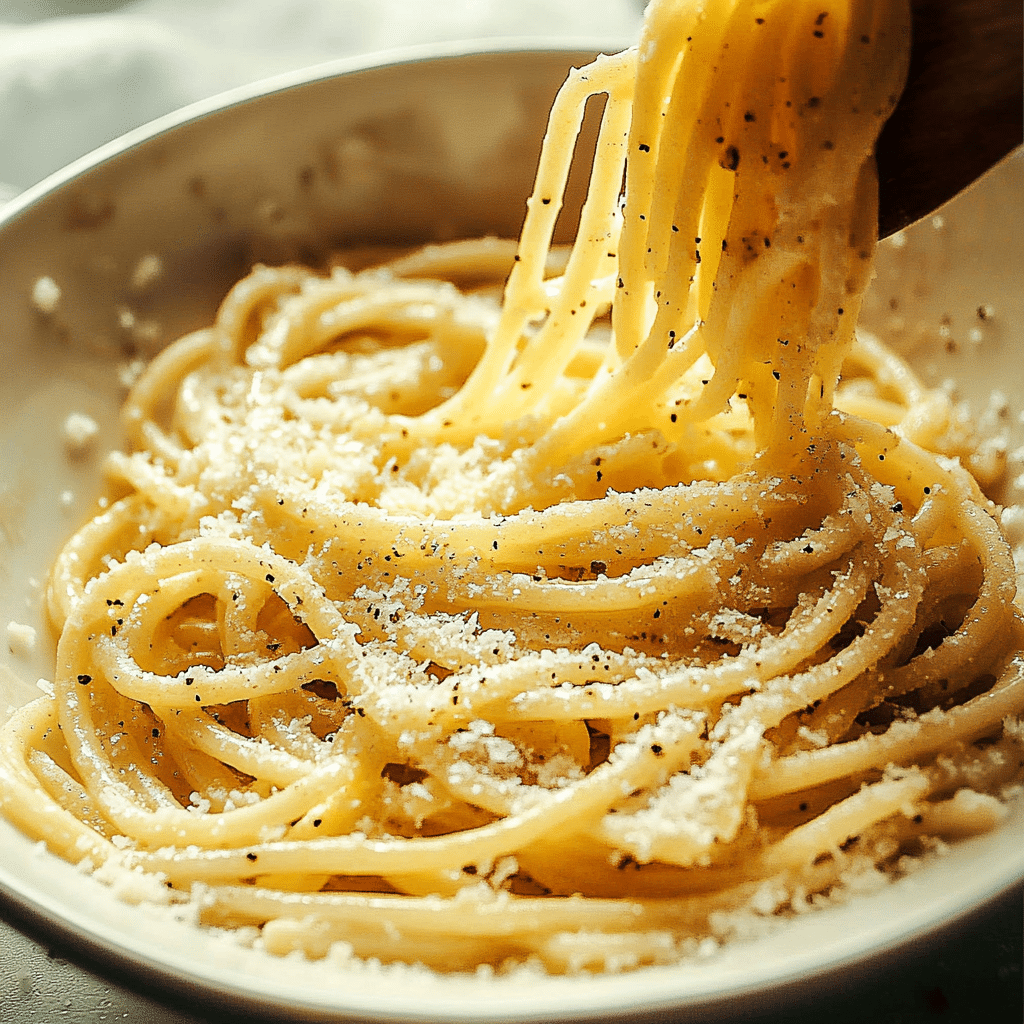
Cacio e Pepe, which translates to “cheese and pepper” in Italian, is one of Rome’s most beloved pasta dishes. This simple yet exquisite dish is a perfect example of how minimal ingredients can come together to create something extraordinary. Cacio e Pepe requires only a handful of ingredients—pasta, Pecorino Romano cheese, black pepper, and a bit of pasta water—but the magic lies in the technique. The creamy, cheesy sauce coats the pasta perfectly, with the bold heat from freshly cracked black pepper providing just the right kick.
Cacio e Pepe is beloved not only for its simplicity but also for its rich, comforting flavor that comes from the deep umami of Pecorino Romano. This dish is quick and easy to make, yet sophisticated enough to be enjoyed for any occasion, from a casual weeknight dinner to a special meal for guests. If you’re looking for an easy yet delicious pasta dish that’s sure to impress, look no further than Cacio e Pepe.
Perfect for:
- Quick weeknight dinners
- Special meals and dinner parties
- Italian food lovers
- Pasta lovers looking for a simple yet indulgent recipe
- People looking to enjoy the flavors of Rome from the comfort of home
Why You’ll Love This Recipe: Cacio e Pepe
Here’s why Cacio e Pepe should be a staple in your pasta repertoire:
- Simple Ingredients: With only three main ingredients—pasta, Pecorino Romano cheese, and black pepper—this dish proves that sometimes less is more.
- Rich, Creamy Texture: The Pecorino Romano creates a luscious, creamy sauce that beautifully coats the pasta, while the pepper adds a sharp, aromatic kick.
- Quick and Easy: With just a few steps and minimal prep, this dish comes together in under 30 minutes, making it perfect for busy nights when you crave something delicious.
- Authentic Italian Flavors: Cacio e Pepe is a dish with centuries of history, and making it at home brings a taste of Rome to your kitchen.
- Customizable: You can adjust the amount of pepper to suit your spice tolerance, or experiment with different cheeses for a personalized twist.
Preparation and Cooking Time
- Total Time: 20-30 minutes
- Preparation Time: 5 minutes
- Cooking Time: 15-20 minutes
- Servings: 4 servings
- Calories per serving: Approximately 450-500 calories
- Key Nutrients: Protein: 15g, Carbs: 60g, Fat: 18g
Ingredients for Cacio e Pepe
Here’s what you’ll need to make a perfect Cacio e Pepe:
- 12 oz (340g) pasta (spaghetti, tonnarelli, or bucatini are traditional options)
- 1 ½ cups Pecorino Romano cheese, finely grated
- 1 tablespoon freshly cracked black pepper (adjust to taste)
- Salt (for pasta water)
- 1 ½ cups pasta water (reserved from cooking the pasta)
Ingredient Highlights for Cacio e Pepe
- Pecorino Romano Cheese: Pecorino Romano is a salty, tangy sheep’s milk cheese that is essential to Cacio e Pepe. Its sharp flavor and fine texture make it the perfect cheese to create the creamy sauce.
- Freshly Cracked Black Pepper: The pepper adds heat and flavor, giving the dish a bold, aromatic punch that complements the richness of the cheese.
- Pasta: Traditional Cacio e Pepe uses long, thin pasta like spaghetti, bucatini, or tonnarelli. The long strands of pasta help the cheese sauce adhere better and allow for each bite to be perfectly balanced with pepper and cheese.
Step-by-Step Instructions
Making Cacio e Pepe at home is simple and requires just a few easy steps. Let’s dive into how you can make this classic Roman dish:
Cook the Pasta:
- Boil the Pasta: Bring a large pot of salted water to a boil. Add the pasta and cook according to the package instructions until al dente. Reserve about 1 ½ cups of pasta water before draining the pasta—this starchy water will help create the creamy sauce later.
- Drain the Pasta: Drain the pasta, but make sure to save the pasta water. Set the pasta aside while you prepare the sauce.
Prepare the Sauce:
- Toast the Pepper: In a large skillet or pan, heat a tablespoon of freshly cracked black pepper over medium heat for about 30 seconds, just until fragrant. Toasting the pepper enhances its flavor and releases its oils, making it even more aromatic and flavorful.
- Create the Sauce: Add about 1 cup of the reserved pasta water to the pan with the pepper. Bring it to a gentle simmer. This will help dissolve the cheese into a creamy sauce. The starchy pasta water binds everything together, creating a silky sauce.
- Add the Pecorino Romano: Slowly add the finely grated Pecorino Romano cheese to the pan, stirring constantly to prevent clumping. Continue stirring until the cheese fully dissolves into the pasta water, creating a creamy, cheesy sauce.
Combine the Pasta and Sauce:
- Add the Pasta: Add the drained pasta to the skillet with the sauce. Toss the pasta in the sauce, ensuring that every strand is coated evenly with the creamy, cheesy mixture. If the sauce seems too thick, add more pasta water, a little at a time, to achieve the desired consistency.
- Adjust Seasoning: Taste the pasta and adjust the seasoning, adding more black pepper or salt if necessary. The beauty of Cacio e Pepe is its simplicity, but you can always adjust the seasoning to your preference.
- Serve Immediately: Cacio e Pepe should be served hot and fresh. Transfer the pasta to serving bowls and top with extra freshly cracked black pepper and additional grated Pecorino Romano if desired.
How to Serve Cacio e Pepe
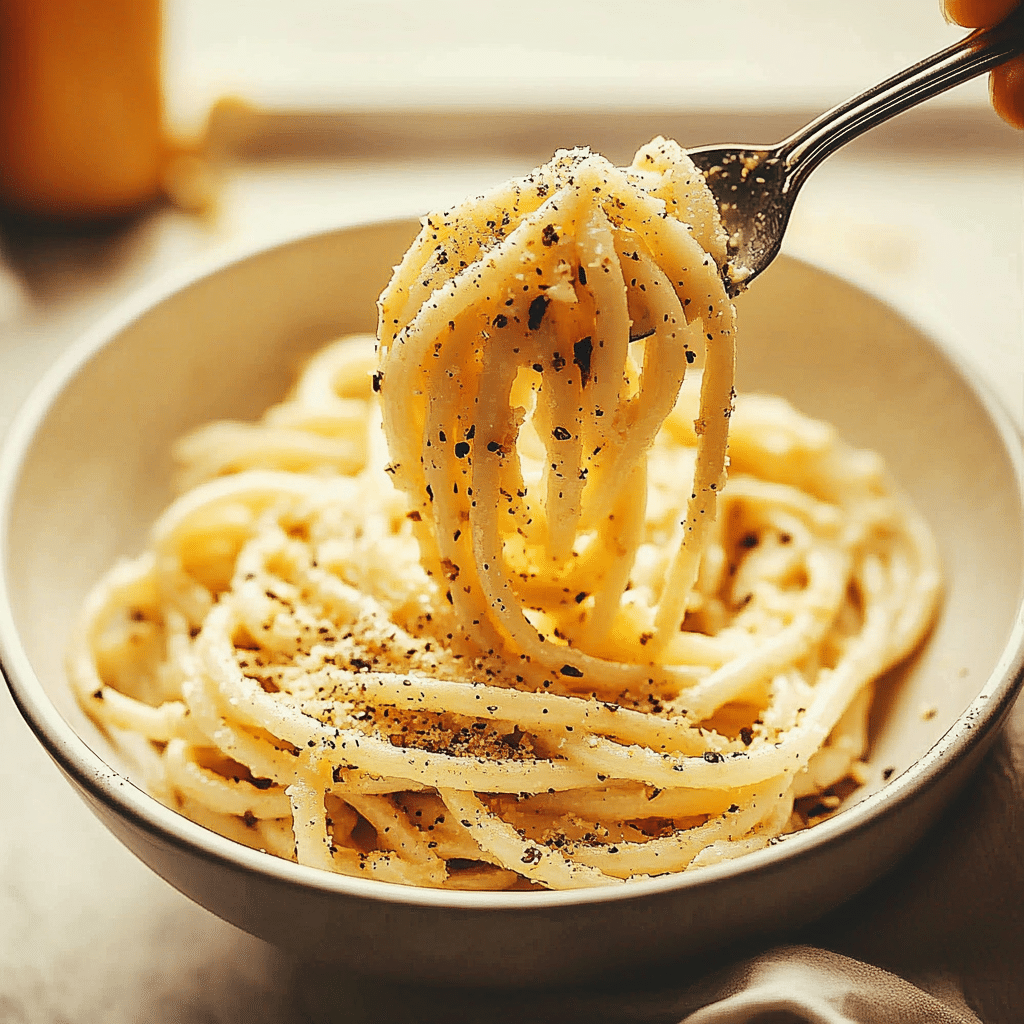
Cacio e Pepe is best served as soon as it’s made, while it’s still warm and creamy. Here are some ways you can serve it:
- As a Main Course: Cacio e Pepe is hearty enough to serve as a main course for dinner. Pair it with a light salad and a glass of white wine for a complete meal.
- With Side Dishes: Serve Cacio e Pepe with a side of grilled vegetables or a simple green salad to balance out the richness of the dish.
- As a Comfort Food: This dish makes for a perfect comfort meal—rich, creamy, and full of flavor. It’s especially perfect on a cold evening or when you need something quick and satisfying.
Additional Tips
To make your Cacio e Pepe even more perfect, here are some useful tips:
- Use Freshly Cracked Black Pepper: The black pepper should be freshly cracked for the best flavor. Pre-ground pepper doesn’t have the same aromatic intensity as freshly ground pepper.
- Grate the Cheese Finely: For the sauce to be smooth and creamy, make sure to finely grate the Pecorino Romano cheese. Coarse shreds may not melt as smoothly, resulting in a grainy texture.
- Pasta Water Is Key: Don’t skip the pasta water! The starchy water is crucial for making the sauce creamy. If you forget to save it, use plain water as a substitute, but pasta water will give the best texture.
- Work Quickly: The sauce can seize up if it sits for too long. Once the cheese is added to the pasta water, be ready to toss the pasta in immediately for the best creamy consistency.
- Don’t Overcook the Pasta: Overcooked pasta can result in a mushy dish. Be sure to cook the pasta al dente, so it holds up well when mixed with the sauce.
Recipe Variations for Cacio e Pepe
While Cacio e Pepe is best enjoyed in its simplest form, there are some variations you can try to give the dish a unique twist:
- Cacio e Pepe with Lemon Zest: Add a bit of lemon zest to the sauce for a refreshing citrusy note that contrasts nicely with the richness of the cheese.
- Truffle Cacio e Pepe: For a more indulgent variation, add a few drops of truffle oil or a sprinkling of shaved truffle to elevate the dish.
- Cacio e Pepe with Peas: Stir in some cooked peas for a pop of color and sweetness. The peas add texture and balance out the richness of the cheese and pepper.
- Spicy Cacio e Pepe: If you like a little extra heat, add a pinch of red pepper flakes along with the black pepper for a spicy kick.
- Cacio e Pepe with Pancetta: While not traditional, you can add a small amount of pancetta or prosciutto for a salty, savory depth of flavor. Make sure to crisp it up before adding it to the pasta.
Freezing and Storage for Cacio e Pepe
Cacio e Pepe is best enjoyed fresh, but if you have leftovers, here’s how you can store and reheat them:
- Freezing: This dish doesn’t freeze well due to the creamy cheese sauce. It’s best to enjoy it fresh or store it for a short time in the fridge.
- Storing: Leftovers can be stored in an airtight container in the fridge for up to 2 days. The pasta may lose some of its creaminess when refrigerated, so be prepared for a slight change in texture.
- Reheating: To reheat, place the pasta in a skillet over low heat with a splash of pasta water. Stir until the sauce becomes creamy again. You may need to adjust the seasoning after reheating.
Special Equipment for Cacio e Pepe
Here are a few items you might need to make Cacio e Pepe:
- Large Pot: You’ll need a large pot to boil the pasta. Make sure the pot is big enough to give the pasta room to cook evenly.
- Skillet or Pan: A wide skillet or sauté pan is essential for making the sauce and tossing the pasta in the creamy mixture.
- Cheese Grater: A fine grater or microplane is the best tool for grating the Pecorino Romano cheese. Avoid using pre-grated cheese, as it often doesn’t melt as smoothly.
- Tongs: Use tongs to toss the pasta in the sauce, ensuring that the noodles are evenly coated.
FAQ Section
- Can I use a different cheese?
While Pecorino Romano is traditional, you can substitute it with Parmesan if you prefer a milder flavor. However, the texture and flavor will be different. - Can I make Cacio e Pepe without pepper?
Pepper is essential to this dish, as it provides the signature kick. If you prefer a less spicy version, you can reduce the amount of pepper, but it’s a key ingredient for authenticity. - Can I use gluten-free pasta for Cacio e Pepe?
Yes, you can use gluten-free pasta as a substitute. The rest of the recipe will remain the same. - Can I make Cacio e Pepe vegan?
It’s challenging to replicate the exact flavor and texture without dairy, but you could try using plant-based cheese alternatives and vegan butter to create a dairy-free version. - What type of pasta is best for Cacio e Pepe?
Spaghetti is the most common pasta used, but you can also use bucatini or tonnarelli for a more traditional experience.

Cacio e Pepe
- Total Time: 20-30minutes
Ingredients
Here’s what you’ll need to make a perfect Cacio e Pepe:
- 12 oz (340g) pasta (spaghetti, tonnarelli, or bucatini are traditional options)
- 1 ½ cups Pecorino Romano cheese, finely grated
- 1 tablespoon freshly cracked black pepper (adjust to taste)
- Salt (for pasta water)
- 1 ½ cups pasta water (reserved from cooking the pasta)
Ingredient Highlights for Cacio e Pepe
- Pecorino Romano Cheese: Pecorino Romano is a salty, tangy sheep’s milk cheese that is essential to Cacio e Pepe. Its sharp flavor and fine texture make it the perfect cheese to create the creamy sauce.
- Freshly Cracked Black Pepper: The pepper adds heat and flavor, giving the dish a bold, aromatic punch that complements the richness of the cheese.
- Pasta: Traditional Cacio e Pepe uses long, thin pasta like spaghetti, bucatini, or tonnarelli. The long strands of pasta help the cheese sauce adhere better and allow for each bite to be perfectly balanced with pepper and cheese.
Instructions
Cook the Pasta:
- Boil the Pasta: Bring a large pot of salted water to a boil. Add the pasta and cook according to the package instructions until al dente. Reserve about 1 ½ cups of pasta water before draining the pasta—this starchy water will help create the creamy sauce later.
- Drain the Pasta: Drain the pasta, but make sure to save the pasta water. Set the pasta aside while you prepare the sauce.
Prepare the Sauce:
- Toast the Pepper: In a large skillet or pan, heat a tablespoon of freshly cracked black pepper over medium heat for about 30 seconds, just until fragrant. Toasting the pepper enhances its flavor and releases its oils, making it even more aromatic and flavorful.
- Create the Sauce: Add about 1 cup of the reserved pasta water to the pan with the pepper. Bring it to a gentle simmer. This will help dissolve the cheese into a creamy sauce. The starchy pasta water binds everything together, creating a silky sauce.
- Add the Pecorino Romano: Slowly add the finely grated Pecorino Romano cheese to the pan, stirring constantly to prevent clumping. Continue stirring until the cheese fully dissolves into the pasta water, creating a creamy, cheesy sauce.
Combine the Pasta and Sauce:
- Add the Pasta: Add the drained pasta to the skillet with the sauce. Toss the pasta in the sauce, ensuring that every strand is coated evenly with the creamy, cheesy mixture. If the sauce seems too thick, add more pasta water, a little at a time, to achieve the desired consistency.
- Adjust Seasoning: Taste the pasta and adjust the seasoning, adding more black pepper or salt if necessary. The beauty of Cacio e Pepe is its simplicity, but you can always adjust the seasoning to your preference.
- Serve Immediately: Cacio e Pepe should be served hot and fresh. Transfer the pasta to serving bowls and top with extra freshly cracked black pepper and additional grated Pecorino Romano if desired.
- Prep Time: 5 minutes
- Cook Time: 15-20 minutes
Nutrition
- Serving Size: 4
- Calories: 450-500
- Fat: 18g
- Carbohydrates: 60g
- Protein: 15g
Conclusion
Cacio e Pepe is a timeless Italian dish that brings comfort, flavor, and simplicity to the table. With its combination of Pecorino Romano cheese, freshly cracked black pepper, and perfectly cooked pasta, it’s a dish that’s sure to impress even the most discerning of palates. Whether you’re cooking for yourself or hosting a dinner party, Cacio e Pepe is an easy and satisfying option that will leave you wanting more. Embrace the flavors of Rome and try making this classic dish at home—you won’t regret it!