
Introduction
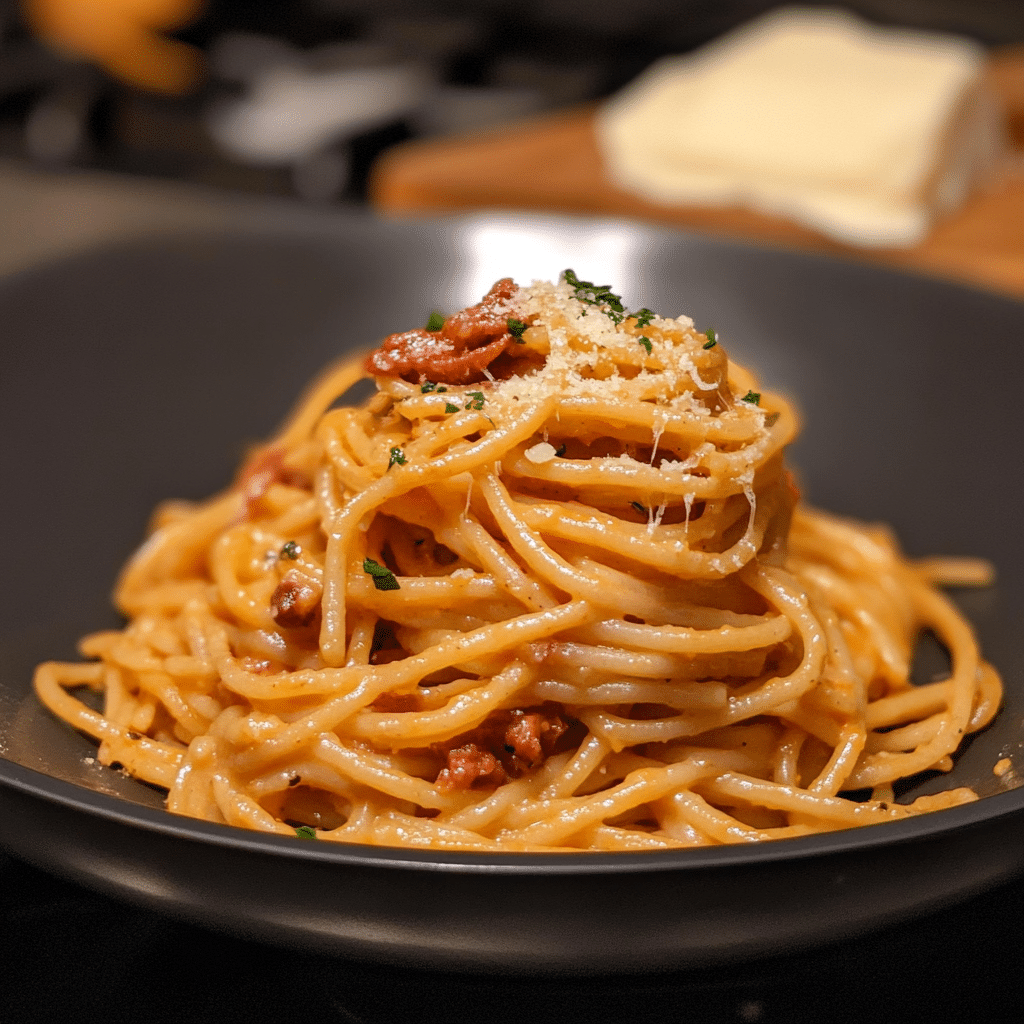
Pasta alla Gricia is a quintessential Italian dish that hails from Rome and is considered a precursor to the famous Pasta alla Carbonara. Often referred to as “the white carbonara,” this simple yet flavorful pasta recipe relies on just a handful of ingredients—guanciale (pork cheek), Pecorino Romano cheese, and black pepper—to create a rich, savory, and satisfying meal. What makes this dish so special is its ability to balance the salty, creamy richness of the cheese with the crispy, slightly smoky texture of the guanciale, all wrapped in perfectly cooked pasta.
Though the dish is simple in nature, it highlights the beauty of Italian cooking: the use of fresh, high-quality ingredients to create something extraordinary. In this article, we’ll walk you through everything you need to know about making Authentic Pasta alla Gricia, from the ingredients to the step-by-step preparation process. Plus, we’ll explore variations, tips, and how to serve this Roman classic.
Whether you’re a seasoned cook or a beginner, Pasta alla Gricia is a dish that’s sure to impress. It’s perfect for a weeknight dinner or a special occasion when you want to savor the true flavors of Italy. Let’s dive into the wonderful world of Pasta alla Gricia and learn why this humble Roman recipe has become a beloved staple in Italian cuisine.
Why You’ll Love This Recipe
- Authentic Italian Flavors: Pasta alla Gricia is a traditional Roman dish, offering a taste of Italy’s rich culinary heritage. The combination of guanciale, Pecorino Romano, and black pepper delivers an unforgettable flavor experience.
- Simple Yet Delicious: With only a few basic ingredients, this dish shows how simplicity can be transformed into something extraordinary when done right.
- Rich and Savory: The crispy guanciale combined with the creamy cheese creates a harmonious, savory taste that is both comforting and indulgent.
- Quick and Easy: While Pasta alla Gricia has a reputation for being a restaurant-quality dish, it’s surprisingly simple to make at home in under 30 minutes.
- Perfect for Pasta Lovers: If you enjoy pasta dishes that are rich, satisfying, and packed with flavor, Pasta alla Gricia is the perfect choice for you.
Preparation Time and Servings
- Total Time: 30 minutes (10 minutes for prep, 20 minutes for cooking)
- Servings: This recipe serves about 4 people, making it ideal for a family meal or a small dinner gathering.
- Nutrition Facts (per serving):
- Calories: 550
- Protein: 22g
- Carbs: 65g
- Fat: 24g
Ingredients
For the Pasta:
- 400 grams (14 oz) of pasta: Rigatoni is the most traditional choice, but you can also use spaghetti, fettuccine, or any pasta of your preference.
- Salt: To season the pasta water.
For the Sauce:
- 150 grams (5 oz) of guanciale: Guanciale is an Italian cured meat made from pork cheek. It’s the star ingredient in this dish, and it adds a unique richness and flavor. You can substitute it with pancetta if guanciale isn’t available, though the taste will differ.
- 100 grams (3.5 oz) of Pecorino Romano cheese: This sharp, salty cheese made from sheep’s milk is crucial for the signature creamy, cheesy texture of the sauce. Grate the cheese fresh for the best flavor.
- Freshly cracked black pepper: Freshly ground black pepper adds heat and depth to the dish.
Step-by-Step Preparation
FIRST STEP: COOK THE PASTA
- Boil the Pasta: Fill a large pot with salted water and bring it to a boil. Add the pasta and cook according to the package instructions until it is al dente (firm to the bite). Make sure to reserve about 1 cup of pasta cooking water before draining the pasta.
- Drain the Pasta: Drain the pasta, but keep the reserved cooking water to help adjust the sauce consistency later.
SECOND STEP: COOK THE GUANCIALE
- Prepare the Guanciale: Slice the guanciale into small strips or cubes. The guanciale should be sliced thinly but thick enough to maintain some texture when rendered.
- Render the Guanciale: Heat a large skillet over medium heat. Add the guanciale and cook for about 5-7 minutes, stirring occasionally, until it becomes crispy and releases its fat. The goal is to render the fat and get the guanciale golden brown and slightly crispy.
- Remove from Heat: Once the guanciale is crispy and golden, remove the skillet from the heat. This is crucial to avoid burning the meat and to preserve its flavor.
THIRD STEP: MAKE THE SAUCE
- Combine Pecorino and Pepper: While the guanciale is cooking, add the grated Pecorino Romano cheese to a bowl. Add a generous amount of freshly cracked black pepper to the cheese and mix to combine.
- Create the Sauce: Once the pasta is drained, return the pan with guanciale to low heat. Add the pasta directly to the skillet with the guanciale, tossing it in the rendered fat for a minute to coat the pasta evenly. The fat from the guanciale will serve as the base for the sauce.
- Emulsify with Pasta Water: Gradually add a small amount of the reserved pasta cooking water, stirring constantly to create a smooth and creamy sauce. Add more pasta water as needed to achieve the desired consistency. The starch in the pasta water helps to emulsify the sauce, ensuring that it coats the pasta evenly.
- Add the Cheese and Pepper: Once the pasta is well-coated with the guanciale and pasta water, add the Pecorino Romano cheese mixture to the skillet. Toss the pasta continuously to melt the cheese into the sauce, creating a creamy texture.
FOURTH STEP: TOSS AND SERVE
- Taste and Adjust: Taste the pasta and adjust seasoning as needed. Add more black pepper if you prefer a spicier dish or a little more Pecorino for extra cheesiness.
- Serve Immediately: Once the pasta is thoroughly coated and the sauce is creamy, plate the pasta and serve immediately. Garnish with extra Pecorino and freshly cracked black pepper if desired.

How to Serve Pasta alla Gricia
Pasta alla Gricia is traditionally served as a standalone dish, but there are a few ways to elevate your meal:
1. Pair with a Salad
To balance the richness of the pasta, consider serving a fresh, crisp salad on the side. A simple arugula salad with lemon and olive oil would complement the creamy pasta perfectly. Alternatively, a mixed green salad with a light vinaigrette can provide a refreshing contrast.
2. Accompany with a Glass of Wine
Pasta alla Gricia pairs well with a variety of wines, particularly those from the Lazio region in Italy, where Rome is located. A dry white wine like Frascati or a light red like Chianti would be ideal choices. The acidity of the wine helps cut through the richness of the dish.
3. Top with Fresh Herbs
Although not traditional, adding fresh herbs like basil or parsley can bring a burst of freshness to the dish. Simply sprinkle a small handful over the top just before serving.
4. Serve as Part of an Italian Feast
Pasta alla Gricia works beautifully as part of a larger Italian meal. Serve it as the main course, paired with antipasti, roasted vegetables, or other pasta dishes. It’s a perfect addition to a family-style Italian dinner.
Recipe Variations
While the traditional Pasta alla Gricia is simple and satisfying, there are a few variations and adaptations you can experiment with:
1. Vegetarian Version (Pasta alla Gricia Vegetariana)
For a vegetarian version, you can replace the guanciale with mushrooms, such as cremini or porcini, which have a meaty texture and a rich umami flavor. Saute the mushrooms in olive oil to render their moisture and develop a rich flavor before combining them with the pasta.
2. Using Pancetta or Bacon
While not as authentic, you can substitute guanciale with pancetta or even bacon if guanciale is unavailable. Keep in mind that pancetta and bacon have a stronger, smokier flavor than guanciale, which may slightly alter the taste of the dish.
3. Add a Touch of Cream
Though not traditional, some variations of Pasta alla Gricia use a small amount of heavy cream to make the sauce even richer. If you prefer a creamier version, add a splash of cream to the pasta and cheese mixture, but keep it minimal to avoid overpowering the flavors.
4. Try Different Pastas
While rigatoni is the classic choice, feel free to experiment with other types of pasta, such as spaghetti, fettuccine, or even orecchiette. Just be sure to adjust the cooking time depending on the pasta shape.
Tips for the Perfect Pasta alla Gricia
- Use High-Quality Guanciale: The key to making an outstanding Pasta alla Gricia is using good-quality guanciale. It should have a good amount of fat and a delicate, savory flavor. Don’t substitute with low-quality bacon, as it will result in a different flavor profile.
- Don’t Overcook the Pasta: Make sure to cook your pasta al dente, which means firm to the bite. Overcooked pasta can turn mushy and won’t absorb the sauce properly.
- Emulsify the Sauce Well: The key to achieving a creamy sauce is to emulsify the pasta water, guanciale fat, and cheese. Add the pasta water gradually, stirring continuously to ensure the sauce coats the pasta evenly.
- Grate the Cheese Fresh: For the best flavor and texture, always grate your Pecorino Romano cheese fresh. Pre-grated cheese often lacks the rich flavor and smooth texture needed for the sauce.
Freezing and Storing Pasta alla Gricia
Pasta alla Gricia is best enjoyed fresh, but if you have leftovers, you can store them in an airtight container in the fridge for up to 2 days. To reheat, place the pasta in a skillet with a splash of pasta water and reheat over low heat, stirring to revive the sauce.
Unfortunately, pasta dishes like this one don’t freeze well due to the cheese sauce’s texture, so it’s best to enjoy it immediately or within a couple of days.
Print
Authentic Pasta alla Gricia Recipe: A Traditional Roman Delight
- Total Time: 30 minutes
Ingredients
For the Pasta:
- 400 grams (14 oz) of pasta: Rigatoni is the most traditional choice, but you can also use spaghetti, fettuccine, or any pasta of your preference.
- Salt: To season the pasta water.
For the Sauce:
- 150 grams (5 oz) of guanciale: Guanciale is an Italian cured meat made from pork cheek. It’s the star ingredient in this dish, and it adds a unique richness and flavor. You can substitute it with pancetta if guanciale isn’t available, though the taste will differ.
- 100 grams (3.5 oz) of Pecorino Romano cheese: This sharp, salty cheese made from sheep’s milk is crucial for the signature creamy, cheesy texture of the sauce. Grate the cheese fresh for the best flavor.
- Freshly cracked black pepper: Freshly ground black pepper adds heat and depth to the dish
Instructions
FIRST STEP: COOK THE PASTA
-
Boil the Pasta: Fill a large pot with salted water and bring it to a boil. Add the pasta and cook according to the package instructions until it is al dente (firm to the bite). Make sure to reserve about 1 cup of pasta cooking water before draining the pasta.
-
Drain the Pasta: Drain the pasta, but keep the reserved cooking water to help adjust the sauce consistency later.
SECOND STEP: COOK THE GUANCIALE
-
Prepare the Guanciale: Slice the guanciale into small strips or cubes. The guanciale should be sliced thinly but thick enough to maintain some texture when rendered.
-
Render the Guanciale: Heat a large skillet over medium heat. Add the guanciale and cook for about 5-7 minutes, stirring occasionally, until it becomes crispy and releases its fat. The goal is to render the fat and get the guanciale golden brown and slightly crispy.
-
Remove from Heat: Once the guanciale is crispy and golden, remove the skillet from the heat. This is crucial to avoid burning the meat and to preserve its flavor.
THIRD STEP: MAKE THE SAUCE
-
Combine Pecorino and Pepper: While the guanciale is cooking, add the grated Pecorino Romano cheese to a bowl. Add a generous amount of freshly cracked black pepper to the cheese and mix to combine.
-
Create the Sauce: Once the pasta is drained, return the pan with guanciale to low heat. Add the pasta directly to the skillet with the guanciale, tossing it in the rendered fat for a minute to coat the pasta evenly. The fat from the guanciale will serve as the base for the sauce.
-
Emulsify with Pasta Water: Gradually add a small amount of the reserved pasta cooking water, stirring constantly to create a smooth and creamy sauce. Add more pasta water as needed to achieve the desired consistency. The starch in the pasta water helps to emulsify the sauce, ensuring that it coats the pasta evenly.
-
Add the Cheese and Pepper: Once the pasta is well-coated with the guanciale and pasta water, add the Pecorino Romano cheese mixture to the skillet. Toss the pasta continuously to melt the cheese into the sauce, creating a creamy texture.
FOURTH STEP: TOSS AND SERVE
-
Taste and Adjust: Taste the pasta and adjust seasoning as needed. Add more black pepper if you prefer a spicier dish or a little more Pecorino for extra cheesiness.
-
Serve Immediately: Once the pasta is thoroughly coated and the sauce is creamy, plate the pasta and serve immediately. Garnish with extra Pecorino and freshly cracked black pepper if desired.
- Prep Time: 10 minutes
- Cook Time: 20 minutes
Nutrition
- Serving Size: 4
- Calories: 550
- Fat: 24g
- Carbohydrates: 65g
- Protein: 22g
Conclusion
Pasta alla Gricia is a true Roman classic that proves that great food doesn’t need to be complicated. With its perfect balance of salty guanciale, rich Pecorino Romano, and the kick of black pepper, this dish is sure to delight anyone who loves the simple pleasures of Italian cooking. Whether you’re cooking for a special occasion or a weeknight dinner, Pasta alla Gricia brings the authentic taste of Rome right to your table. Try it today and experience the beauty of traditional Italian pasta making.